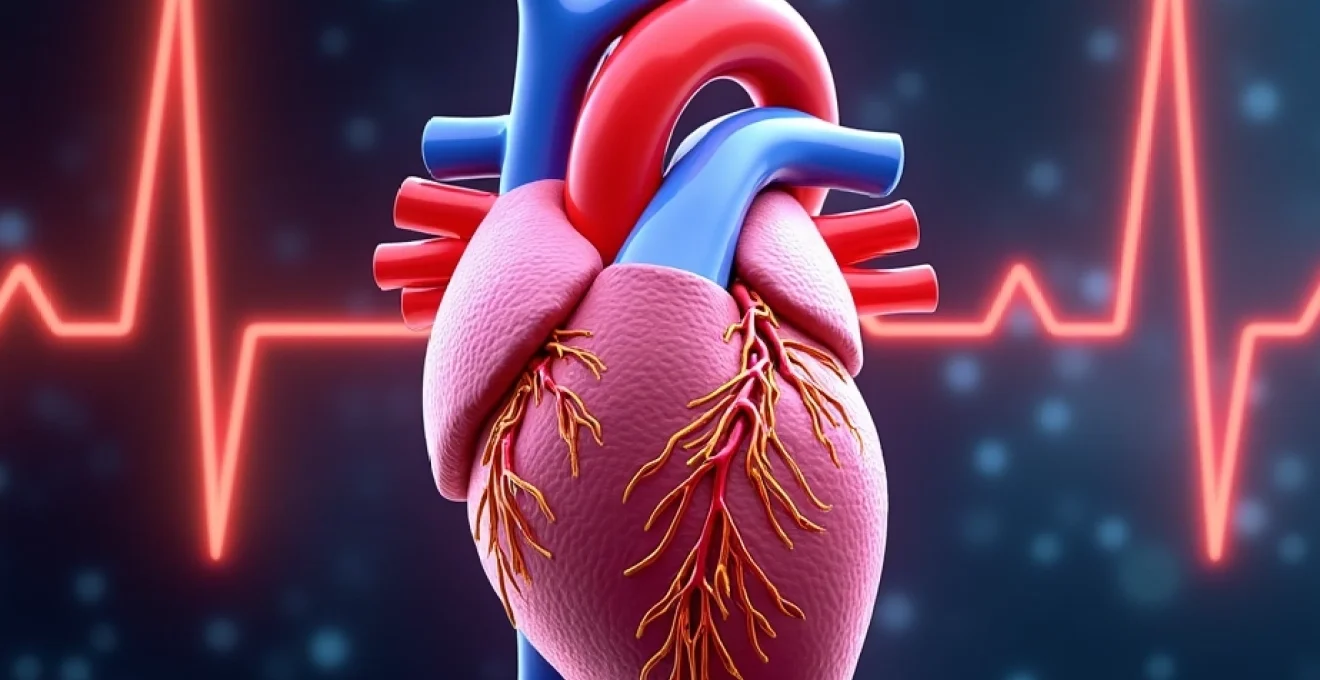
Modern cardiology represents one of medicine’s most rapidly advancing specialties, combining cutting-edge diagnostic technologies with innovative treatment approaches to combat cardiovascular disease. As the leading cause of mortality worldwide, heart conditions affect millions of people annually, making the role of cardiologists increasingly crucial in both preventive care and acute intervention. These medical specialists employ an impressive array of sophisticated tools and techniques, from advanced imaging modalities that can visualise the heart’s structure in extraordinary detail to minimally invasive procedures that can restore blood flow without major surgery.
The complexity of cardiovascular conditions demands a comprehensive approach that encompasses everything from basic electrocardiographic interpretation to complex interventional procedures. Today’s cardiologists must master not only traditional diagnostic methods but also embrace artificial intelligence-enhanced technologies and personalised risk assessment algorithms. This multifaceted approach ensures that patients receive the most accurate diagnoses and effective treatments available, whether they’re dealing with acute coronary syndromes or chronic heart failure.
Advanced cardiac imaging modalities for precise diagnosis
Contemporary cardiac imaging has revolutionised how cardiologists visualise and understand heart disease, providing unprecedented insights into cardiac structure and function. These sophisticated techniques enable clinicians to detect abnormalities at their earliest stages, often before symptoms become apparent to patients. The integration of multiple imaging modalities allows for comprehensive assessment of cardiovascular health, from evaluating coronary artery disease to characterising myocardial tissue properties.
Transthoracic echocardiography and doppler flow assessment
Transthoracic echocardiography remains the cornerstone of non-invasive cardiac imaging, offering real-time visualisation of cardiac structures and function without radiation exposure. This ultrasound-based technique provides detailed information about ventricular function, valve morphology, and hemodynamic parameters. Modern echocardiographic systems incorporate advanced features such as speckle tracking analysis and three-dimensional imaging capabilities, enabling cardiologists to detect subtle abnormalities in cardiac mechanics that might otherwise go unnoticed.
Doppler flow assessment enhances echocardiography by quantifying blood flow velocities and pressure gradients across cardiac valves and within chambers. This technology proves particularly valuable in diagnosing valvular stenosis and regurgitation, assessing diastolic function, and estimating pulmonary artery pressures. The combination of two-dimensional imaging with spectral and colour Doppler provides a comprehensive evaluation that guides treatment decisions for conditions ranging from heart failure to congenital heart disease.
Coronary CT angiography with fractional flow reserve analysis
Coronary computed tomography angiography (CCTA) has emerged as a powerful non-invasive alternative to invasive coronary angiography for evaluating coronary artery disease. This technique uses advanced CT scanners with high temporal and spatial resolution to create detailed three-dimensional images of the coronary arteries. CCTA excels at ruling out significant coronary disease in patients with low to intermediate pre-test probability, reducing the need for invasive procedures in many cases.
The integration of fractional flow reserve analysis with CT angiography (CT-FFR) represents a significant advancement in non-invasive coronary assessment. This computational technique uses sophisticated algorithms to calculate the hemodynamic significance of coronary stenoses directly from CCTA images. By providing both anatomical and functional information in a single examination, CT-FFR helps cardiologists determine which lesions require intervention, improving patient selection for revascularisation procedures.
Cardiac magnetic resonance imaging for myocardial characterisation
Cardiac magnetic resonance imaging (CMR) stands as the gold standard for myocardial tissue characterisation and precise assessment of cardiac volumes and function. This radiation-free imaging modality excels at detecting myocardial inflammation, fibrosis, and infiltration, making it indispensable for diagnosing conditions such as myocarditis, cardiomyopathies, and cardiac amyloidosis. The superior soft tissue contrast provided by CMR enables detailed visualisation of myocardial structure and composition that cannot be achieved with other imaging techniques.
Advanced CMR techniques, including T1 and T2 mapping, quantify tissue properties at the microscopic level, allowing for early detection of disease processes before gross structural changes occur. Late gadolinium enhancement imaging reveals areas of myocardial scarring with exceptional precision, providing crucial prognostic information for patients with ischaemic and non-ischaemic cardiomyopathies. These capabilities make CMR particularly valuable for guiding treatment decisions in complex cases where conventional imaging fails to provide definitive answers.
Nuclear cardiology: SPECT and PET perfusion imaging
Nuclear cardiology techniques utilise radioactive tracers to assess myocardial perfusion and metabolism, providing unique functional information about cardiac health. Single-photon emission computed tomography (SPECT) myocardial perfusion imaging remains widely used for detecting coronary artery disease and evaluating the hemodynamic significance of coronary stenoses. This technique helps cardiologists determine which patients with known coronary disease would benefit most from revascularisation procedures.
Positron emission tomography (PET) offers superior image quality and quantitative perfusion assessment compared to SPECT, though its availability remains more limited. PET perfusion imaging provides absolute quantification of myocardial blood flow, enabling detection of balanced ischaemia and microvascular dysfunction that might be missed by other techniques. The combination of perfusion and metabolic imaging with PET proves particularly valuable for assessing myocardial viability in patients with severe left ventricular dysfunction.
Invasive coronary angiography and intravascular ultrasound
Despite advances in non-invasive imaging, invasive coronary angiography remains the definitive method for evaluating coronary anatomy and guiding percutaneous interventions. Modern catheterisation laboratories employ high-resolution digital imaging systems that provide exceptional visualisation of coronary vessels from multiple angles. This technique allows real-time assessment of coronary flow and enables immediate therapeutic intervention when indicated.
Intravascular ultrasound (IVUS) and optical coherence tomography (OCT) enhance invasive coronary assessment by providing detailed cross-sectional images of vessel walls and atherosclerotic plaques. These intravascular imaging techniques guide optimal stent sizing and deployment, helping to achieve better long-term outcomes following percutaneous coronary intervention. The ability to visualise plaque composition and vessel remodelling patterns provides valuable insights for personalising treatment strategies and predicting future cardiovascular events.
Electrocardiographic interpretation and arrhythmia detection
Electrocardiography forms the foundation of cardiac rhythm assessment and continues to evolve with technological advances that enhance diagnostic accuracy and clinical utility. Modern ECG systems incorporate sophisticated algorithms for automated interpretation while maintaining the need for expert clinical correlation. The integration of artificial intelligence in ECG analysis promises to revolutionise arrhythmia detection and risk stratification, enabling earlier intervention in patients at high risk for sudden cardiac death.
12-lead ECG analysis for acute ST-Elevation myocardial infarction
The 12-lead electrocardiogram remains the most important initial diagnostic tool for patients presenting with acute coronary syndromes, particularly ST-elevation myocardial infarction (STEMI). Rapid and accurate ECG interpretation is crucial for initiating timely reperfusion therapy, with door-to-balloon times serving as critical quality metrics for hospital performance. Modern ECG machines provide computer-assisted interpretation that can alert clinicians to potential STEMI patterns, though expert review remains essential for confirming the diagnosis.
Advanced ECG analysis techniques can detect subtle signs of myocardial ischaemia that might be missed by conventional interpretation methods. Serial ECG monitoring helps track the evolution of acute coronary events and assess the effectiveness of reperfusion therapy. The development of posterior wall lead configurations and right-sided leads enhances sensitivity for detecting myocardial infarctions in anatomical regions that may be missed by standard 12-lead recordings.
Holter monitoring and event recorder evaluation
Continuous ambulatory ECG monitoring through Holter devices provides invaluable information about cardiac rhythm abnormalities that occur during normal daily activities. These devices typically record 24 to 48 hours of continuous ECG data, capturing both symptomatic and asymptomatic arrhythmic events. Advanced Holter systems incorporate sophisticated algorithms for arrhythmia detection and heart rate variability analysis, providing comprehensive assessment of autonomic nervous system function.
Event recorders extend monitoring capabilities beyond the limitations of traditional Holter devices, particularly for patients with infrequent symptoms. Loop recorders can monitor cardiac rhythm for weeks or months, automatically capturing significant arrhythmic events while allowing patients to trigger recordings during symptomatic episodes. The evolution toward smartphone-based ECG monitoring has made rhythm assessment more accessible and convenient for patients whilst maintaining clinical-grade accuracy.
Exercise stress testing with bruce protocol
Exercise stress testing remains a cornerstone of cardiovascular assessment, providing crucial information about exercise capacity, chronotropic response, and ischaemic burden. The Bruce protocol, with its standardised incremental workload increases, enables reproducible assessment of functional capacity whilst monitoring for exercise-induced arrhythmias and hemodynamic abnormalities. Modern stress testing laboratories incorporate advanced imaging techniques during exercise to enhance diagnostic accuracy for coronary artery disease detection.
The integration of gas exchange analysis during exercise testing provides additional insights into cardiopulmonary function and helps differentiate cardiac from pulmonary causes of exercise limitation. Peak oxygen consumption (VO2 max) measurements prove particularly valuable for heart failure management and cardiac transplantation evaluation. Duke treadmill scores and other validated risk stratification tools help cardiologists integrate exercise test results with clinical factors to guide treatment decisions.
Implantable loop recorders for cryptogenic syncope
Implantable loop recorders represent a significant advancement in the evaluation of patients with unexplained syncope and infrequent arrhythmic symptoms. These small devices, implanted subcutaneously, provide continuous ECG monitoring for up to three years, dramatically increasing the likelihood of capturing sporadic arrhythmic events. The ability to correlate symptoms with rhythm abnormalities proves crucial for determining appropriate treatment strategies in patients with cryptogenic syncope.
Modern implantable loop recorders incorporate sophisticated algorithms for automatic arrhythmia detection, reducing the burden on patients to manually trigger recordings during symptomatic episodes. Remote monitoring capabilities enable real-time transmission of significant events to healthcare providers, facilitating prompt evaluation and intervention when necessary. The high diagnostic yield of these devices has made them the preferred approach for evaluating patients with unexplained syncope after initial non-invasive testing proves unrevealing.
Interventional cardiology procedures and techniques
Interventional cardiology has transformed the treatment landscape for cardiovascular disease, offering minimally invasive alternatives to traditional surgical approaches for many conditions. These catheter-based procedures continue to evolve with technological advances that improve safety, efficacy, and long-term outcomes. The field encompasses everything from routine coronary angioplasty to complex structural heart interventions that were previously considered inoperable.
Percutaneous coronary intervention with Drug-Eluting stents
Percutaneous coronary intervention (PCI) with drug-eluting stents has become the preferred revascularisation strategy for many patients with coronary artery disease. Modern drug-eluting stents incorporate advanced polymer coatings and antiproliferative agents that significantly reduce restenosis rates compared to bare-metal stents. The evolution of stent platforms toward thinner struts and bioabsorbable polymers continues to improve long-term outcomes while reducing the risk of late stent thrombosis.
Contemporary PCI techniques emphasise the importance of optimal medical therapy in conjunction with mechanical revascularisation, recognising that stents address focal stenoses while systemic therapies target the underlying atherosclerotic process. Fractional flow reserve-guided PCI has gained widespread acceptance for optimising treatment decisions, ensuring that only hemodynamically significant lesions undergo intervention. The integration of intravascular imaging guidance helps achieve optimal stent expansion and apposition, reducing the risk of procedural complications and improving long-term durability.
Transcatheter aortic valve replacement for severe stenosis
Transcatheter aortic valve replacement (TAVR) represents one of the most significant advances in interventional cardiology, providing treatment options for patients with severe aortic stenosis who were previously considered inoperable or high-risk for surgical valve replacement. This minimally invasive procedure uses catheter-delivered bioprosthetic valves that can be implanted via transfemoral, transapical, or alternative access routes. The expansion of TAVR indications to intermediate and low-risk patients has revolutionised aortic stenosis treatment paradigms.
Modern TAVR systems incorporate advanced features such as retrievable and repositionable valves, which enhance procedural safety and optimise hemodynamic outcomes. Careful patient selection using multimodality imaging, including CT angiography for annular sizing and calcium assessment, proves crucial for procedural success. The development of smaller delivery systems and improved valve designs continues to reduce vascular complications while expanding treatment options for patients with challenging anatomy.
Balloon valvuloplasty for mitral stenosis
Percutaneous balloon mitral valvuloplasty remains the preferred treatment for selected patients with severe mitral stenosis, particularly those with favourable valve morphology and minimal subvalvular disease. This technique uses specially designed balloons to mechanically separate fused mitral leaflets, effectively increasing valve area and reducing transmitral pressure gradients. The procedure offers excellent immediate and long-term results in appropriately selected patients, avoiding the need for surgical intervention.
Patient selection for balloon mitral valvuloplasty relies heavily on echocardiographic assessment of valve morphology, with scoring systems helping predict procedural success and durability. The technique requires considerable expertise in transseptal puncture and left atrial catheter manipulation, emphasising the importance of operator experience for optimal outcomes. Modern approaches incorporate three-dimensional echocardiographic guidance to enhance safety and efficacy during balloon positioning and inflation.
Left atrial appendage closure with watchman device
Left atrial appendage (LAA) closure has emerged as an important stroke prevention strategy for patients with atrial fibrillation who cannot tolerate long-term anticoagulation therapy. The Watchman device and other LAA closure systems provide mechanical occlusion of this cardiac structure, which serves as the source of embolic events in the majority of atrial fibrillation-related strokes. Clinical trials have demonstrated non-inferiority to warfarin therapy for stroke prevention, with the added benefit of eliminating bleeding risks associated with anticoagulation.
Successful LAA closure requires detailed pre-procedural planning using transoesophageal echocardiography and often cardiac CT imaging to assess appendage anatomy and select appropriate device sizes. The procedure demands expertise in transseptal puncture and device deployment techniques, with real-time imaging guidance ensuring optimal device positioning and complete appendage sealing. Post-procedural management typically includes short-term anticoagulation followed by antiplatelet therapy, with follow-up imaging to confirm device stability and complete appendage closure.
Percutaneous mitral valve repair using MitraClip technology
Transcatheter mitral valve repair using MitraClip technology offers a minimally invasive treatment option for patients with severe mitral regurgitation who are not suitable candidates for surgical repair. This edge-to-edge repair technique mimics the surgical Alfieri stitch, creating a double-orifice mitral valve that reduces regurgitant volume. The procedure has shown particular benefits in patients with functional mitral regurgitation secondary to heart failure, where it can improve symptoms and reduce hospitalisation rates.
Patient selection for MitraClip therapy requires comprehensive evaluation using multimodality imaging, including three-dimensional transoesophageal echocardiography to assess mitral valve anatomy and determine clip placement strategy. The procedure demands considerable technical skill in transseptal puncture, device navigation, and clip deployment under real-time echocardiographic guidance. Recent advances in clip design and delivery systems have expanded the range of anatomies suitable for treatment while improving procedural success rates and safety profiles.
Pharmacological management of cardiovascular conditions
Modern cardiovascular pharmacotherapy represents a sophisticated approach to managing heart disease that extends far beyond simple symptom control to encompass disease modification and prevention strategies. The development of evidence-based treatment guidelines has revolutionised how cardiologists prescribe medications, with emphasis on guideline-directed medical therapy that incorporates the latest clinical trial evidence. Contemporary drug regimens often involve complex combinations of medications targeting multiple pathophysiological pathways simultaneously, requiring careful consideration of drug interactions, side effects, and patient-specific factors.
The evolution of cardiovascular therapeutics has seen remarkable advances in recent years, with new drug classes offering improved efficacy and safety profiles compared to traditional
agents. Sodium-glucose cotransporter-2 (SGLT2) inhibitors, originally developed for diabetes management, have demonstrated remarkable cardiovascular benefits in heart failure patients, while angiotensin receptor-neprilysin inhibitors (ARNIs) represent a breakthrough in heart failure pharmacotherapy. These medications work synergistically with established therapies such as ACE inhibitors, beta-blockers, and mineralocorticoid receptor antagonists to provide comprehensive disease modification.
Personalised medicine approaches are increasingly influencing cardiovascular drug selection, with pharmacogenomic testing helping cardiologists optimise medication choices based on individual patient genetics. The integration of biomarker-guided therapy, particularly using natriuretic peptides and high-sensitivity troponins, enables more precise monitoring of treatment response and disease progression. Contemporary anticoagulation strategies have also evolved significantly, with direct oral anticoagulants (DOACs) largely replacing warfarin for most indications due to their improved safety profiles and reduced monitoring requirements.
Lipid management has undergone substantial refinement with the introduction of PCSK9 inhibitors and inclisiran, offering powerful cholesterol reduction for patients unable to achieve targets with traditional statin therapy. The concept of polypill strategies, combining multiple cardiovascular medications in single formulations, shows promise for improving medication adherence and simplifying treatment regimens. Risk-based prescribing approaches ensure that the most potent therapies are reserved for patients at highest cardiovascular risk, balancing efficacy with potential adverse effects.
Cardiac electrophysiology and device implantation
Cardiac electrophysiology encompasses the sophisticated management of heart rhythm disorders through both invasive and non-invasive approaches. This subspecialty has witnessed remarkable technological advances that have transformed treatment options for patients with complex arrhythmias and conduction system diseases. Modern electrophysiology combines detailed understanding of cardiac electrical systems with cutting-edge mapping technologies and ablation techniques that can precisely target arrhythmogenic substrates while preserving normal cardiac tissue.
Catheter ablation procedures have evolved from simple linear lesion sets to complex three-dimensional mapping-guided interventions that can address the most challenging arrhythmic conditions. Advanced mapping systems utilise sophisticated algorithms to create detailed electroanatomical maps of cardiac chambers, identifying critical regions responsible for arrhythmia initiation and maintenance. The integration of magnetic navigation systems and robotic catheter control has enhanced precision while reducing radiation exposure for both patients and operators.
Device therapy for cardiac rhythm management has progressed significantly beyond basic pacing and defibrillation functions. Modern implantable cardioverter-defibrillators (ICDs) incorporate advanced algorithms for arrhythmia discrimination, reducing inappropriate shocks while maintaining effective protection against life-threatening arrhythmias. Cardiac resynchronisation therapy (CRT) has revolutionised heart failure management for patients with conduction system disease, with quadripolar lead systems and optimisation algorithms improving response rates and clinical outcomes.
Leadless pacemaker technology represents a paradigm shift in cardiac pacing, eliminating the complications associated with transvenous leads while providing reliable cardiac pacing for selected patients. Subcutaneous ICDs offer defibrillation protection without the need for transvenous leads, reducing infection risks and simplifying device implantation procedures. The development of His bundle pacing and left bundle branch pacing techniques provides more physiological cardiac activation patterns compared to traditional right ventricular pacing, potentially improving long-term outcomes.
Remote monitoring capabilities have transformed device follow-up care, enabling early detection of device malfunction and clinical status changes without requiring routine clinic visits. These systems can automatically transmit data about device function, arrhythmia episodes, and physiological parameters, allowing cardiologists to intervene promptly when concerning trends are identified. The integration of artificial intelligence in device algorithms promises to further enhance arrhythmia detection accuracy and optimise device therapy delivery.
Preventive cardiology and risk stratification algorithms
Preventive cardiology represents the cornerstone of modern cardiovascular care, emphasising early risk identification and intervention before clinical symptoms develop. This proactive approach has proven far more cost-effective than treating established cardiovascular disease, while offering patients the opportunity to maintain optimal cardiovascular health throughout their lives. Contemporary risk stratification algorithms incorporate multiple clinical variables, biomarkers, and imaging findings to provide personalised risk assessments that guide treatment intensity and intervention thresholds.
The evolution of cardiovascular risk calculators has progressed from simple Framingham-based models to sophisticated algorithms that account for diverse population characteristics and emerging risk factors. Modern tools such as QRISK4 incorporate variables including chronic kidney disease, autoimmune conditions, and mental health status, providing more accurate risk predictions for contemporary patient populations. These algorithms help cardiologists make evidence-based decisions about statin therapy initiation, blood pressure targets, and lifestyle intervention priorities.
Coronary artery calcium scoring has emerged as a powerful tool for refining cardiovascular risk assessment, particularly in intermediate-risk patients where treatment decisions remain uncertain. This non-invasive imaging technique provides direct evidence of atherosclerotic disease burden, helping to reclassify patients into more appropriate risk categories. The integration of calcium scoring with clinical risk factors and novel biomarkers enables more precise treatment recommendations and improved patient engagement in preventive strategies.
Genetic risk scoring represents an exciting frontier in preventive cardiology, with polygenic risk scores beginning to influence clinical decision-making for selected patients. These tools analyse multiple genetic variants associated with cardiovascular disease risk, providing insights into inherited predisposition that can inform screening strategies and treatment intensity. Family history assessment remains crucial, particularly for identifying patients with familial hypercholesterolaemia who require aggressive lipid management from an early age.
Lifestyle medicine has gained recognition as a fundamental component of preventive cardiology, with structured programmes addressing diet, exercise, stress management, and sleep optimisation. The Mediterranean diet pattern has demonstrated robust cardiovascular benefits in multiple clinical trials, while high-intensity interval training protocols offer time-efficient approaches to improving cardiovascular fitness. Smoking cessation programmes utilising pharmacological support and behavioural interventions remain one of the most cost-effective preventive interventions available to cardiologists.
Population health approaches to cardiovascular disease prevention recognise the importance of addressing social determinants of health that influence cardiovascular risk. Community-based screening programmes, workplace wellness initiatives, and policy interventions targeting food environments represent important strategies for reducing cardiovascular disease burden at the population level. The integration of digital health technologies, including smartphone applications and wearable devices, offers scalable approaches to delivering preventive care interventions and monitoring patient engagement with recommended lifestyle modifications.