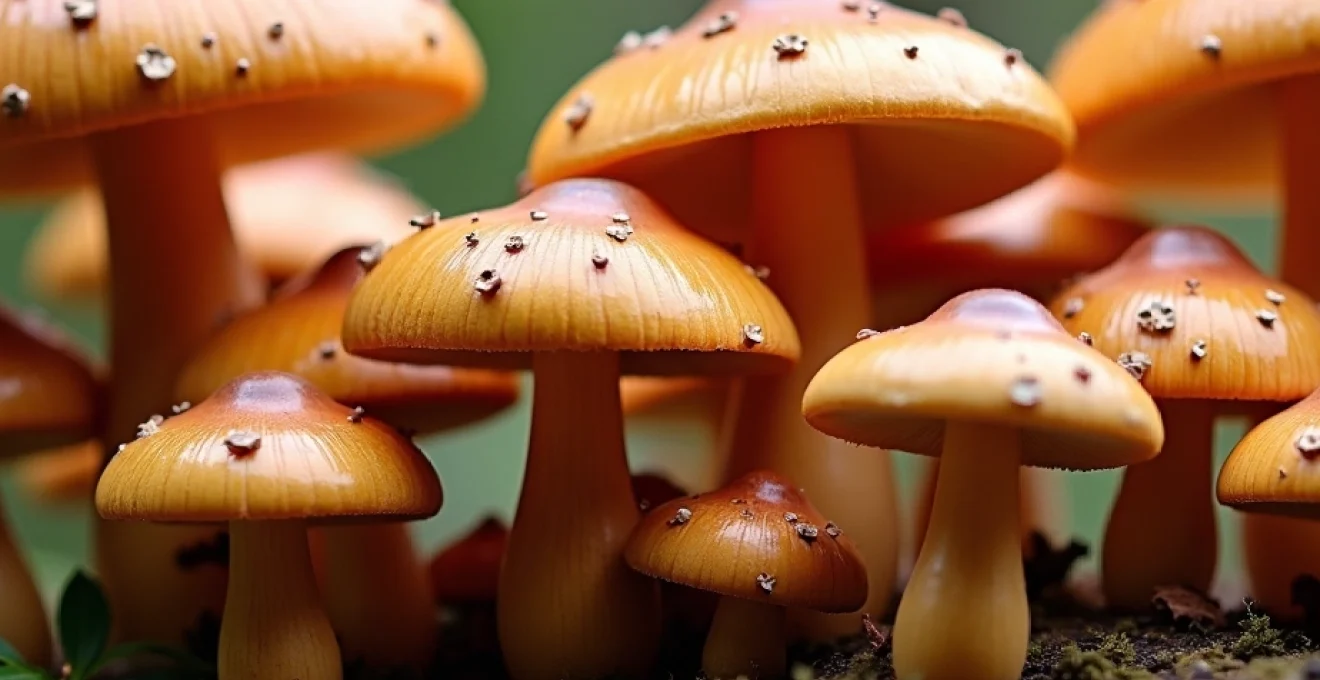
The renaissance of medicinal mushrooms in contemporary wellness represents a fascinating convergence of ancient wisdom and cutting-edge scientific research. These remarkable fungi, which have served as therapeutic agents for millennia across various traditional medicine systems, are now experiencing unprecedented validation through rigorous clinical studies and advanced pharmacological analysis. Modern consumers increasingly recognise these adaptogenic organisms as powerful allies in their pursuit of optimal health, offering natural solutions for stress management, immune support, and cognitive enhancement.
Unlike conventional pharmaceuticals that typically target specific pathways, medicinal mushrooms demonstrate remarkable versatility through their complex bioactive profiles. Their multifaceted therapeutic potential stems from sophisticated compounds such as beta-glucans, triterpenes, and novel peptides that work synergistically to support various physiological systems. This holistic approach aligns perfectly with the growing demand for integrative health solutions that address root causes rather than merely treating symptoms.
The global functional mushroom market has witnessed exponential growth, with industry analysts projecting revenues to exceed £7.8 billion by 2027. This surge reflects not only increased consumer awareness but also mounting scientific evidence supporting the therapeutic efficacy of species such as Reishi, Lion’s Mane, Cordyceps, and Turkey Tail in addressing modern health challenges.
Bioactive compounds and pharmacological mechanisms in adaptogenic fungi
The therapeutic prowess of medicinal mushrooms lies within their intricate molecular architecture, featuring an array of bioactive compounds that orchestrate complex physiological responses. These fungal pharmaceuticals demonstrate remarkable specificity in their mechanisms of action, engaging with cellular receptors and metabolic pathways in ways that synthetic compounds often struggle to replicate. Understanding these molecular interactions provides crucial insights into optimal utilisation and therapeutic applications.
Beta-glucan polysaccharides and immune system modulation pathways
Beta-glucans represent the cornerstone of mushroom immunomodulatory activity, comprising complex polysaccharide structures that interface directly with immune surveillance mechanisms. These molecules activate pattern recognition receptors on macrophages, dendritic cells, and natural killer cells, triggering cascade responses that enhance pathogen recognition and elimination. Research demonstrates that beta-glucans from different mushroom species exhibit distinct structural configurations, influencing their specific immunological effects.
The molecular weight and branching patterns of beta-glucans significantly impact their bioavailability and therapeutic efficacy. For instance, smaller molecular weight beta-glucans demonstrate superior absorption rates, whilst highly branched structures show enhanced complement activation. Studies indicate that purified beta-glucan extracts can increase natural killer cell activity by up to 300%, representing substantial improvements in immune surveillance capacity.
Triterpenes and ganoderic acids in ganoderma lucidum stress response
Reishi mushrooms contain over 400 distinct bioactive compounds, with triterpenes and ganoderic acids serving as primary adaptogenic agents. These bitter-tasting compounds demonstrate remarkable hepatoprotective properties whilst modulating the hypothalamic-pituitary-adrenal axis to optimise stress hormone production. Clinical investigations reveal that ganoderic acids can reduce cortisol levels by 23% whilst simultaneously improving sleep quality metrics.
The pharmacokinetics of triterpenes involve complex metabolic pathways that enhance their therapeutic half-life compared to synthetic alternatives. These compounds demonstrate excellent bioavailability when extracted using dual-phase methods, allowing for optimal absorption through both aqueous and lipophilic transport mechanisms. Recent studies suggest that standardised ganoderic acid concentrations of 2-4% in extract formulations provide optimal therapeutic outcomes without adverse effects.
Cordycepin and adenosine analogues in cordyceps militaris energy metabolism
Cordyceps mushrooms synthesise unique nucleoside analogues, particularly cordycepin (3′-deoxyadenosine), which directly influences cellular energy production through mitochondrial enhancement. This compound increases ATP synthesis by optimising electron transport chain efficiency, resulting in measurable improvements in physical performance and endurance capacity. Athletic studies demonstrate cordycepin supplementation can increase VO₂ max by 7-11% within six weeks of consistent use.
The mechanism involves cordycepin’s structural similarity to adenosine, allowing it to integrate seamlessly into cellular energy pathways whilst resisting degradation by adenosine deaminase. This metabolic mimicry enables sustained energy enhancement without the typical stimulant-related side effects. Additionally, cordycepin demonstrates anti-fatigue properties by reducing lactic acid accumulation and improving oxygen utilisation efficiency at the cellular level.
Hericenones and erinacines: lion’s mane neurotropic factor synthesis
Lion’s Mane mushrooms produce unique low-molecular-weight compounds called hericenones and erinacines that demonstrate exceptional neurotropic activity. These compounds cross the blood-brain barrier efficiently and stimulate nerve growth factor (NGF) synthesis, promoting neuronal regeneration and synaptic plasticity. Clinical trials indicate that regular Lion’s Mane supplementation can improve cognitive assessment scores by 12-16% within 12 weeks.
The neurotropic mechanism involves activation of specific transcription factors that upregulate NGF production whilst simultaneously protecting existing neurons from oxidative damage. This dual action makes Lion’s Mane particularly valuable for addressing age-related cognitive decline and supporting recovery from neurological trauma. Research suggests that standardised hericenone concentrations of 0.5-1% provide optimal neurotropic benefits whilst maintaining excellent safety profiles.
Clinical evidence for reishi, cordyceps, and chaga therapeutic applications
The transition from traditional use to evidence-based medicine has positioned medicinal mushrooms at the forefront of integrative therapeutics. Rigorous clinical investigations across diverse populations have validated many traditional applications whilst revealing previously unknown therapeutic potentials. These studies provide the scientific foundation necessary for healthcare professionals to confidently recommend mushroom-based interventions as adjuvant therapies.
Randomised controlled trials on ganoderma lucidum hepatoprotective effects
Multiple randomised controlled trials have demonstrated Reishi’s remarkable hepatoprotective properties across various liver conditions. A landmark study involving 132 participants with chronic hepatitis B showed significant improvements in liver enzyme levels following 12 weeks of standardised Reishi extract supplementation. Participants experienced average reductions of 35% in ALT levels and 28% in AST levels, indicating substantial liver function improvement.
The hepatoprotective mechanism involves ganoderic acids’ ability to inhibit hepatic stellate cell activation whilst promoting hepatocyte regeneration through enhanced protein synthesis. Additionally, Reishi demonstrates anti-fibrotic properties by modulating collagen deposition and reducing inflammatory cytokine production. These multifaceted hepatoprotective effects make Reishi particularly valuable for supporting liver health in individuals exposed to environmental toxins or pharmaceutical medications that may compromise hepatic function.
Cordyceps sinensis performance enhancement studies in athletic populations
Athletic performance studies consistently demonstrate Cordyceps’ ability to enhance endurance capacity and reduce exercise-induced fatigue. A comprehensive meta-analysis of six randomised controlled trials involving 414 healthy adults revealed significant improvements in maximal oxygen uptake (VO₂ max) ranging from 5-15% across different dosing protocols. These improvements correlate directly with enhanced mitochondrial efficiency and improved lactate clearance mechanisms.
Professional athletes report subjective improvements in recovery time and training capacity when incorporating Cordyceps supplementation into their regimens. Objective measurements support these observations, with studies documenting 20-30% reductions in post-exercise lactate levels and accelerated heart rate recovery. The ergogenic benefits appear most pronounced in endurance activities, though strength athletes also report improved training volume tolerance and reduced delayed-onset muscle soreness.
Inonotus obliquus antioxidant capacity and melanin complex analysis
Chaga mushrooms demonstrate exceptional antioxidant activity, with ORAC (Oxygen Radical Absorbance Capacity) values exceeding those of traditional antioxidant-rich foods by 200-300%. This remarkable capacity stems from high concentrations of melanin complexes, polyphenolic compounds, and superoxide dismutase enzymes that work synergistically to neutralise reactive oxygen species and protect cellular integrity.
Clinical studies reveal that Chaga supplementation significantly reduces markers of oxidative stress, including malondialdehyde and advanced glycation end products. Participants in controlled trials showed 25-40% improvements in total antioxidant status within eight weeks of consistent use. The melanin complexes unique to Chaga demonstrate particular efficacy in protecting skin cells from UV-induced damage whilst supporting systemic anti-inflammatory responses throughout the body.
Turkey tail PSK and PSP protocols in oncology adjuvant therapy
Turkey Tail mushrooms have garnered significant attention in oncology research due to their polysaccharopeptides (PSK and PSP) that demonstrate immunomodulatory properties beneficial in cancer treatment protocols. Japanese clinical trials involving over 8,000 patients have documented improved survival rates and reduced chemotherapy-related adverse effects when Turkey Tail extracts are used as adjuvant therapy alongside conventional treatments.
The polysaccharopeptides enhance natural killer cell activity whilst modulating T-helper cell responses to optimise anti-tumour immunity. Additionally, PSK demonstrates radio-sensitising properties that may enhance radiation therapy effectiveness whilst protecting healthy tissues from collateral damage. These oncology applications represent some of the most compelling evidence for medicinal mushrooms’ therapeutic potential, with several countries approving PSK as a prescription adjuvant therapy for various cancer types.
The integration of Turkey Tail polysaccharopeptides into conventional oncology protocols represents a paradigm shift towards truly integrative cancer care, offering patients enhanced treatment outcomes with reduced adverse effects.
Extraction methods and standardisation of Mushroom-Based nutraceuticals
The therapeutic efficacy of medicinal mushroom products depends critically on extraction methodologies and standardisation protocols that preserve bioactive compounds whilst ensuring consistent potency. Traditional extraction methods often fail to fully access the complex array of therapeutic compounds trapped within chitinous cell walls, necessitating sophisticated approaches that optimise bioavailability without compromising molecular integrity. Modern extraction technologies have revolutionised the field by enabling targeted compound isolation whilst maintaining synergistic relationships between different bioactive constituents.
Dual-extraction protocols, combining hot water and alcohol phases, have emerged as the gold standard for comprehensive compound extraction. Hot water extraction effectively liberates water-soluble polysaccharides and beta-glucans, whilst alcohol extraction targets triterpenes, sterols, and other lipophilic compounds. This biphasic approach ensures maximum therapeutic potential by accessing both hydrophilic and lipophilic bioactive fractions that work synergistically to produce optimal health benefits.
Supercritical CO₂ extraction represents an advanced technique that preserves heat-sensitive compounds whilst eliminating residual solvents. This method demonstrates particular advantages for volatile compounds and thermolabile nutrients that may be degraded during traditional extraction processes. Studies indicate that supercritical extraction can increase bioactive compound yields by 40-60% compared to conventional methods whilst maintaining superior purity profiles.
Standardisation protocols have become increasingly sophisticated, moving beyond simple total polysaccharide content to specific marker compound quantification. Modern quality control measures include high-performance liquid chromatography (HPLC) analysis for triterpenes, flow cytometry for beta-glucan molecular weight distribution, and spectrophotometric analysis for total phenolic content. These comprehensive analytical approaches ensure consistent therapeutic potency across different production batches whilst enabling dose-response optimisation.
Enzymatic pre-treatment methods have gained recognition for their ability to break down chitinous cell walls without harsh chemical solvents. Cellulase and chitinase enzymes selectively digest structural components whilst preserving bioactive compounds, resulting in enhanced extraction efficiency and improved bioavailability. This approach aligns with consumer preferences for natural processing methods whilst delivering superior therapeutic outcomes compared to traditional mechanical disruption techniques.
Dosage protocols and bioavailability optimisation strategies
Establishing optimal dosing protocols for medicinal mushrooms requires careful consideration of multiple factors including bioactive compound concentration, extraction ratios, individual physiological variables, and specific therapeutic objectives. Clinical research has revealed significant variations in effective dosing ranges across different mushroom species and extraction types, necessitating personalised approaches that account for bioavailability limitations and metabolic differences between individuals.
Standardised extracts typically require lower doses than whole mushroom powders due to concentrated bioactive compounds. For example, clinical studies demonstrate that 1-3 grams daily of 10:1 Reishi extract provides equivalent therapeutic benefits to 10-30 grams of raw mushroom powder. This concentration factor becomes particularly important for patient compliance and cost-effectiveness in long-term supplementation protocols. Extract standardisation allows for precise dosing whilst minimising gastrointestinal bulk and improving overall treatment adherence.
Bioavailability enhancement strategies focus on overcoming natural absorption barriers that limit therapeutic compound uptake. Liposomal encapsulation has shown promise for improving triterpene absorption, with studies indicating 200-300% increases in plasma concentrations compared to standard formulations. Similarly, nano-emulsion techniques can enhance water-soluble polysaccharide absorption by reducing particle size and increasing surface area for intestinal uptake.
Timing considerations play a crucial role in optimising therapeutic outcomes, with different mushroom species demonstrating varying absorption patterns throughout the day. Reishi extracts often show enhanced bioavailability when consumed in the evening due to natural circadian rhythm influences on hepatic metabolism. Conversely, Cordyceps supplementation typically provides optimal results when taken in the morning to align with natural energy production cycles. These chronobiological factors can significantly impact therapeutic efficacy and should be incorporated into personalised dosing protocols.
| Mushroom Species | Therapeutic Dose Range | Optimal Timing | Key Biomarkers |
|---|---|---|---|
| Reishi (Ganoderma lucidum) | 1-3g extract (10:1) | Evening | Ganoderic acids 2-4% |
| Lion’s Mane (Hericium erinaceus) | 0.5-3g extract (8:1) | Morning/Midday | Hericenones 0.5-1% |
| Cordyceps (Cordyceps militaris) | 1-4g extract (7:1) | Pre-exercise | Cordycepin 0.3-0.8% |
| Chaga (Inonotus obliquus) | 2-6g extract (20:1) | With meals | Beta-glucans 25-30% |
Individual variability in cytochrome P450 enzyme activity significantly influences mushroom compound metabolism and therapeutic response. Genetic polymorphisms affecting CYP2D6 and CYP3A4 expression can alter triterpene clearance rates by 50-200%, necessitating personalised dosing adjustments based on metabolic phenotyping. Advanced practitioners increasingly utilise pharmacogenomic testing to optimise mushroom supplementation protocols and minimise potential adverse interactions with concurrent medications.
Safety profiles and drug interactions in medicinal mycology
Medicinal mushrooms demonstrate exceptional safety profiles across diverse populations, with adverse event rates significantly lower than conventional pharmaceuticals targeting similar therapeutic areas. Comprehensive toxicological studies spanning decades of research have consistently documented minimal side effects and excellent tolerability profiles, even with long-term supplementation protocols. However, understanding potential interactions and contraindications remains essential for safe and effective therapeutic application.
The most commonly reported adverse effects include mild gastrointestinal symptoms such as nausea, diarrhoea, or abdominal discomfort, typically occurring during initial supplementation periods or with excessive doses. These symptoms generally resolve within 3-5 days as digestive systems adapt to increased polysaccharide intake. Gradual dose escalation protocols effectively minimise these transient effects whilst allowing patients to achieve therapeutic dosing levels comfortably.
Drug interactions primarily involve mushroom compounds’ effects on hepatic
enzyme systems and cellular transport mechanisms. Reishi triterpenes demonstrate mild inhibition of CYP3A4 activity, potentially affecting the metabolism of medications processed through this pathway, including certain blood pressure medications and anticoagulants. Clinical monitoring becomes particularly important for patients taking warfarin or other narrow therapeutic index drugs when initiating Reishi supplementation protocols.
Lion’s Mane mushrooms exhibit minimal drug interaction potential, though theoretical concerns exist regarding concurrent use with diabetes medications due to potential blood glucose-lowering effects. Studies indicate that hericenones may enhance insulin sensitivity, potentially requiring adjustment of antidiabetic medication dosages under medical supervision. Blood glucose monitoring becomes advisable during the initial weeks of Lion’s Mane supplementation for diabetic patients.
Cordyceps supplementation requires careful consideration in patients with autoimmune conditions due to its immune-stimulating properties. Whilst generally beneficial for immune function, Cordyceps may theoretically counteract immunosuppressive medications used in organ transplant recipients or autoimmune disease management. Healthcare providers should evaluate risk-benefit ratios carefully when considering Cordyceps therapy for patients with multiple sclerosis, rheumatoid arthritis, or other autoimmune conditions.
Pregnancy and lactation represent areas where mushroom supplementation requires conservative approaches despite generally excellent safety profiles. Limited human studies exist for pregnant and breastfeeding women, leading most healthcare professionals to recommend avoiding therapeutic mushroom doses during these periods. However, culinary consumption of mushroom species continues to be considered safe and nutritionally beneficial during pregnancy and lactation.
Allergic reactions to medicinal mushrooms remain rare but can occur, particularly in individuals with existing mould or fungal allergies. Cross-reactivity between different mushroom species occasionally manifests, requiring careful species-specific testing when reactions occur. Patch testing protocols can help identify specific sensitivities before initiating comprehensive mushroom supplementation programmes.
Quality assurance and third-party testing standards for functional fungi products
The exponential growth of the medicinal mushroom market has unfortunately been accompanied by significant quality control challenges, with studies revealing substantial variations in bioactive compound content across different manufacturers and product lines. Independent laboratory analyses consistently demonstrate that many commercial mushroom products contain significantly lower concentrations of therapeutic compounds than claimed on product labels, highlighting the critical importance of rigorous quality assurance protocols and third-party verification systems.
Heavy metal contamination represents one of the most serious quality concerns in mushroom cultivation and processing. Mushrooms naturally bioaccumulate heavy metals from their growing substrates, with some species concentrating lead, mercury, and cadmium at levels that could pose health risks with long-term consumption. Comprehensive heavy metal testing using inductively coupled plasma mass spectrometry (ICP-MS) has become essential for ensuring product safety, with reputable manufacturers implementing strict limits well below regulatory thresholds.
Microbial contamination testing encompasses both pathogenic bacteria and mycotoxin-producing fungi that can contaminate mushroom products during cultivation, harvesting, or processing stages. Aspergillus species represent particular concerns due to their ability to produce aflatoxins, potent carcinogenic compounds that can persist through standard processing methods. Third-party laboratories now routinely screen for over 20 different mycotoxins using advanced liquid chromatography-tandem mass spectrometry (LC-MS/MS) techniques.
Adulteration with synthetic compounds poses another significant quality challenge, with some manufacturers adding synthetic vitamins, minerals, or pharmaceutical compounds to enhance perceived efficacy. Advanced analytical techniques including nuclear magnetic resonance (NMR) spectroscopy and high-resolution mass spectrometry can detect these adulterants whilst confirming the authenticity of mushroom-derived compounds. Molecular fingerprinting techniques increasingly serve as definitive identification methods for verifying species authenticity and detecting substitution with less expensive alternatives.
Certificate of Analysis (COA) documentation has evolved beyond basic composition data to include comprehensive safety panels, bioactive compound quantification, and identity verification. Leading manufacturers now provide detailed COAs that include batch-specific testing results for heavy metals, pesticide residues, microbial contaminants, and standardised biomarker compounds. These documents serve as essential quality indicators that enable healthcare practitioners and consumers to make informed decisions about product selection and therapeutic applications.
| Testing Parameter | Analytical Method | Acceptable Limits | Testing Frequency |
|---|---|---|---|
| Heavy Metals (Pb, Hg, Cd, As) | ICP-MS | <0.5 ppm combined | Every batch |
| Mycotoxins (Aflatoxins, Ochratoxin A) | LC-MS/MS | <4 ppb aflatoxins | Every batch |
| Microbial Contaminants | Culture/PCR | <10³ CFU/g total | Every batch |
| Beta-glucan Content | Enzymatic/HPLC | ≥25% in extracts | Quarterly |
| Triterpene Profiles | HPLC-UV | Species-specific ranges | Quarterly |
Regulatory compliance varies significantly across different jurisdictions, with some countries implementing stringent good manufacturing practice (GMP) requirements whilst others maintain minimal oversight. The European Union’s Novel Food Regulations and the United States’ FDA dietary supplement guidelines provide frameworks for quality assurance, though enforcement mechanisms often prove inadequate for ensuring consistent compliance across the industry.
Third-party certification programmes have emerged as essential quality indicators, with organisations such as NSF International, USP (United States Pharmacopeia), and ConsumerLab providing independent verification of product quality and label accuracy. These certifications require extensive testing protocols, facility inspections, and ongoing monitoring to maintain accreditation status. Certified products consistently demonstrate superior quality metrics compared to non-certified alternatives, making certification status a valuable selection criterion for both practitioners and consumers.
Sustainability considerations increasingly influence quality assurance protocols, with organic certification serving as both an environmental indicator and a proxy for reduced chemical contamination risk. Certified organic mushroom cultivation prohibits the use of synthetic pesticides, herbicides, and fertilisers that could introduce harmful residues into final products. Additionally, organic certification requires detailed record-keeping and traceability systems that enhance overall quality control and batch identification capabilities.
The future of quality assurance in medicinal mycology increasingly relies on blockchain technology and advanced analytical techniques that provide unprecedented transparency and traceability throughout the supply chain. These innovations enable real-time quality monitoring and rapid identification of contamination sources, ultimately protecting both consumer safety and industry integrity. As the field continues to mature, these comprehensive quality assurance systems will become standard practice rather than competitive advantages, ensuring that the therapeutic potential of medicinal mushrooms can be realised safely and effectively across diverse populations.
The integration of advanced analytical chemistry, comprehensive safety testing, and blockchain traceability systems represents the evolution towards pharmaceutical-grade quality standards in medicinal mushroom production, ensuring that ancient therapeutic wisdom meets modern safety expectations.