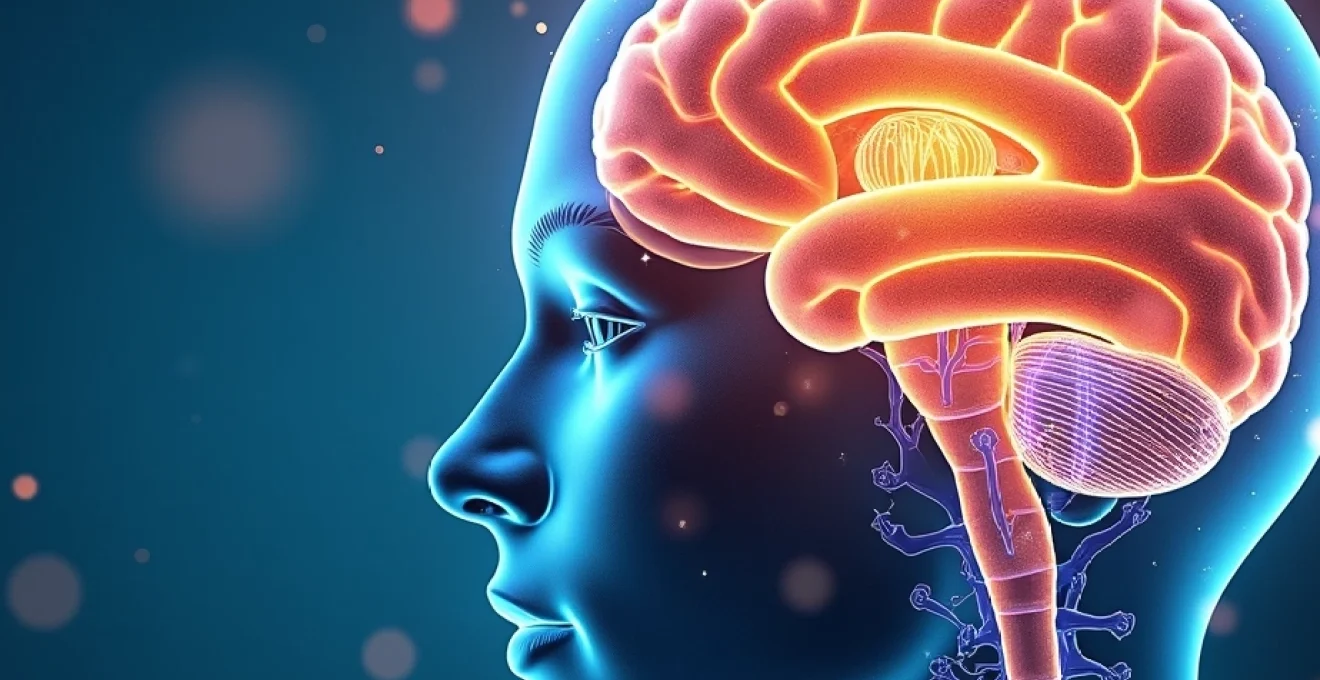
The integration of mind-body interventions within conventional medical practice represents one of the most significant paradigm shifts in contemporary healthcare. Guided imagery, a therapeutic technique that harnesses the power of mental visualisation to influence physiological processes, has emerged as a compelling evidence-based adjunct to traditional medical treatments. This ancient practice, now validated by rigorous scientific research, demonstrates remarkable efficacy across diverse clinical conditions, from cancer treatment support to chronic pain management.
Healthcare professionals increasingly recognise that the mind’s capacity to influence bodily functions extends far beyond the placebo effect. Modern neuroimaging studies reveal that visualised experiences activate similar neural pathways as actual events, creating tangible physiological changes that can enhance healing outcomes. As medical systems worldwide seek cost-effective interventions that improve patient experiences whilst reducing healthcare burdens, guided imagery offers a sophisticated yet accessible solution that complements existing therapeutic protocols without introducing significant risks or side effects.
Neurophysiological mechanisms of guided imagery in clinical settings
The therapeutic efficacy of guided imagery stems from its profound impact on multiple neurophysiological systems within the human body. Contemporary neuroscience research has illuminated the intricate pathways through which mental imagery influences physical health outcomes, providing a robust scientific foundation for its clinical application. Understanding these mechanisms enables healthcare practitioners to optimise treatment protocols and predict therapeutic responses more accurately.
Default mode network modulation through visualisation techniques
The default mode network (DMN), a collection of brain regions active during rest and introspection, plays a crucial role in self-referential thinking and mind-wandering. Guided imagery interventions demonstrate significant capacity to modulate DMN activity, particularly in areas associated with rumination and negative thought patterns. Neuroimaging studies indicate that structured visualisation practices can reduce hyperactivity in the posterior cingulate cortex and medial prefrontal cortex, brain regions commonly overactive in anxiety disorders and depression.
This modulation occurs through the deliberate redirection of attention towards positive, healing-focused imagery, effectively interrupting maladaptive cognitive loops. When patients engage in guided visualisation exercises, functional magnetic resonance imaging reveals decreased connectivity between DMN components, correlating with reduced symptoms of psychological distress and improved emotional regulation. The clinical implications are substantial, as DMN dysregulation underlies numerous psychiatric and psychosomatic conditions.
Autonomic nervous system regulation via parasympathetic activation
Guided imagery exerts powerful regulatory effects on the autonomic nervous system, particularly through enhanced parasympathetic activation. During visualisation sessions, practitioners observe measurable increases in heart rate variability, indicating improved autonomic balance and stress resilience. This physiological shift manifests as reduced cortisol levels, decreased blood pressure, and enhanced immune function markers.
The mechanism involves the activation of the vagus nerve, the longest cranial nerve responsible for parasympathetic responses. Specific imagery protocols focusing on peaceful natural environments or healing light have been shown to increase vagal tone within minutes of practice initiation . This rapid response explains the immediate calming effects many patients experience during guided imagery sessions, whilst sustained practice leads to long-term autonomic system rebalancing.
Neuroplasticity enhancement through targeted mental rehearsal
Mental rehearsal through guided imagery promotes neuroplasticity, the brain’s capacity to reorganise and form new neural connections throughout life. Research demonstrates that visualising physical movements activates motor cortex regions similarly to actual movement execution, facilitating neural pathway development and maintenance. This phenomenon proves particularly valuable in rehabilitation medicine, where patients with mobility limitations can maintain and strengthen neural circuits through mental practice.
The neuroplasticity effects extend beyond motor functions to encompass cognitive and emotional processing centres. Regular guided imagery practice increases grey matter density in areas associated with learning, memory, and emotional regulation. These structural brain changes correlate with improved clinical outcomes across diverse conditions, suggesting that imagery interventions create lasting neurobiological adaptations that support healing processes.
Cortisol reduction and HPA axis normalisation pathways
The hypothalamic-pituitary-adrenal (HPA) axis, the body’s primary stress response system, responds dramatically to guided imagery interventions. Clinical studies consistently demonstrate significant cortisol reductions following structured visualisation practices, with effects persisting for hours after session completion. This hormonal modulation occurs through direct hypothalamic influence, where positive imagery signals safety and relaxation to stress-monitoring brain centres.
The magnitude of cortisol reduction through guided imagery often matches or exceeds that achieved through pharmacological interventions , yet without associated side effects or dependency risks. This hormonal normalisation cascades throughout multiple physiological systems, improving immune function, reducing inflammation, and enhancing tissue repair processes. The clinical significance becomes apparent when considering that chronic stress and elevated cortisol contribute to numerous medical conditions, from cardiovascular disease to autoimmune disorders.
Evidence-based clinical applications across medical specialties
The versatility of guided imagery as a therapeutic intervention becomes evident through its successful implementation across virtually every medical specialty. Healthcare institutions worldwide have integrated evidence-based imagery protocols into treatment pathways, consistently demonstrating improved patient outcomes, reduced healthcare costs, and enhanced patient satisfaction scores. The breadth of applications reflects the fundamental role that mind-body connections play in health and disease processes.
Oncology integration: cancer treatment side effect management
Oncology represents one of the most extensively researched applications of guided imagery in clinical medicine. Cancer patients face unique challenges including treatment-related side effects, existential anxiety, and physical discomfort that significantly impact quality of life. Structured imagery interventions have demonstrated remarkable efficacy in addressing these multifaceted concerns whilst supporting conventional treatment modalities.
Research involving over 3,000 cancer patients reveals that guided imagery significantly reduces chemotherapy-induced nausea and vomiting by up to 60% compared to standard antiemetic protocols alone. The mechanism involves imagery’s capacity to influence the chemoreceptor trigger zone and vestibular system, areas responsible for nausea generation. Patients practising specific visualisation techniques report improved appetite, better sleep quality, and reduced anticipatory anxiety before treatment sessions.
Beyond symptom management, imagery interventions demonstrate promising effects on immune function markers in cancer patients. Visualisation practices focused on immune system strengthening correlate with increased natural killer cell activity and improved lymphocyte proliferation responses . Whilst imagery cannot replace conventional cancer treatments, its integration enhances treatment tolerance and may support better overall outcomes through immune system optimisation.
Cardiovascular medicine: hypertension and cardiac rehabilitation protocols
Cardiovascular applications of guided imagery span primary prevention through post-intervention rehabilitation, with particularly robust evidence supporting its use in hypertension management. Clinical trials demonstrate that structured imagery practices can reduce systolic blood pressure by 10-15 mmHg and diastolic pressure by 5-10 mmHg, reductions comparable to first-line antihypertensive medications in mild to moderate cases.
The cardiovascular benefits extend beyond blood pressure reduction to encompass improved endothelial function, reduced arterial stiffness, and enhanced heart rate variability. Cardiac rehabilitation programmes incorporating guided imagery show superior outcomes compared to exercise-only protocols, with patients demonstrating better adherence to lifestyle modifications and reduced rates of subsequent cardiac events.
Patients who participated in guided imagery sessions during cardiac rehabilitation showed a 40% reduction in hospital readmissions compared to those receiving standard care alone, whilst reporting significantly improved quality of life scores and exercise tolerance.
Pain management: chronic pain syndromes and surgical recovery
Pain management represents perhaps the most compelling application of guided imagery, given the current opioid crisis and limitations of conventional analgesic approaches. Chronic pain conditions, characterised by complex neurophysiological processes involving central sensitisation and psychological factors, respond particularly well to mind-body interventions that address both physical and emotional components of pain experience.
Meta-analyses encompassing over 2,500 chronic pain patients demonstrate that guided imagery reduces pain intensity scores by an average of 2.5 points on a 10-point scale, with effects maintained for months following intervention completion. The technique proves especially effective for fibromyalgia, arthritis, and neuropathic pain conditions where traditional medications provide limited relief. Imagery protocols focusing on healing light, warmth, or coolness directed to affected areas correlate with measurable changes in pain processing pathways within the brain and spinal cord.
Mental health: anxiety disorders and PTSD treatment augmentation
Mental health applications of guided imagery encompass both primary treatment and adjunctive support for conventional psychotherapy. Anxiety disorders, affecting over 40 million adults annually, respond favourably to imagery interventions that target the underlying neurophysiological dysregulation characteristic of these conditions. Nature-based guided imagery protocols demonstrate particular efficacy, with patients reporting 50-70% reduction in anxiety symptoms following eight-week intervention programmes .
Post-traumatic stress disorder (PTSD) treatment has been revolutionised through the integration of guided imagery with evidence-based therapies like EMDR and cognitive processing therapy. The technique provides patients with a psychological safe space they can access during trauma processing, reducing therapy dropout rates and accelerating recovery timelines. Military veterans participating in imagery-enhanced PTSD treatment show superior outcomes compared to traditional approaches, with sustained improvements in sleep quality, emotional regulation, and social functioning.
Gastroenterology: IBS and inflammatory bowel disease symptom control
Gastrointestinal disorders, particularly those with significant psychosomatic components, respond exceptionally well to guided imagery interventions. Irritable bowel syndrome (IBS), affecting 10-15% of the global population, demonstrates remarkable improvement rates when patients engage in gut-directed imagery protocols. These specialised techniques focus visualisation on digestive system harmony, smooth muscle relaxation, and optimal gut function.
Clinical studies involving IBS patients reveal that guided imagery reduces symptom severity scores by 40-60%, with improvements in abdominal pain, bloating, and bowel movement regularity. The intervention’s effectiveness stems from its capacity to modulate the gut-brain axis, reducing visceral hypersensitivity and normalising gastrointestinal motility patterns. Inflammatory bowel diseases like Crohn’s disease and ulcerative colitis also benefit from imagery interventions, with patients experiencing reduced flare frequency and improved medication response rates.
Standardised guided imagery protocols and methodologies
The clinical implementation of guided imagery requires standardised protocols that ensure consistent therapeutic outcomes whilst allowing for individualised patient needs. Healthcare institutions worldwide have developed evidence-based frameworks that integrate seamlessly with existing treatment pathways, providing practitioners with structured approaches that maximise therapeutic benefits whilst maintaining safety standards.
Interactive guided imagery (IGI) techniques by martin rossman
Interactive Guided Imagery represents the most sophisticated approach to clinical imagery practice, developed through decades of research and clinical application. The IGI methodology emphasises patient-generated imagery rather than prescribed visualisations, recognising that individualised mental representations carry greater therapeutic potency than standardised scripts. This approach requires specialised practitioner training but yields superior outcomes across diverse clinical conditions.
The IGI process begins with identifying patient-specific healing goals and obstacles, then guides individuals through structured dialogue with their own imagery. Patients might visualise their illness as a specific form, engage in conversation with symptoms, or explore symbolic representations of healing processes. This interactive approach activates deeper psychological resources whilst maintaining patient autonomy in the healing journey.
Jacobson progressive muscle relaxation integration methods
The integration of Jacobson’s progressive muscle relaxation with guided imagery creates synergistic effects that enhance both techniques’ therapeutic potency. This combined approach addresses both physiological tension and psychological stress through systematic muscle group relaxation paired with healing visualisations. Healthcare practitioners find this methodology particularly effective for patients with anxiety disorders, chronic pain conditions, and stress-related medical problems.
The protocol typically involves 15-20 minutes of progressive muscle tensing and releasing, followed by guided imagery focused on the patient’s specific therapeutic goals . Research demonstrates that this combined approach produces more significant physiological changes than either technique used independently, with greater improvements in cortisol levels, blood pressure, and subjective well-being measures.
Mbsr-based visualisation protocols by jon Kabat-Zinn
Mindfulness-Based Stress Reduction (MBSR) protocols incorporate guided imagery as a central component of comprehensive mind-body healing programmes. These evidence-based interventions combine mindfulness meditation with therapeutic visualisation, creating powerful tools for addressing chronic medical conditions and psychological distress. The MBSR approach emphasises present-moment awareness whilst utilising imagery to facilitate healing intentions.
MBSR imagery protocols typically focus on body awareness, healing light visualisations, and compassion-based practices. Participants engage in structured programmes spanning 8-12 weeks, with daily home practice supplementing weekly group sessions. Clinical outcomes from MBSR programmes consistently demonstrate improvements across multiple health domains, including reduced inflammation markers, improved immune function, and enhanced psychological well-being.
Clinical hypnosis integration with ericksonian techniques
The integration of guided imagery with clinical hypnosis creates profound therapeutic synergies that enhance both modalities’ effectiveness. Ericksonian techniques, characterised by indirect suggestion and utilisation of patient resources, blend seamlessly with imagery practices to create deeply personalised healing experiences. This approach proves particularly valuable for patients with medical trauma, chronic pain conditions, or those requiring surgical preparation.
Ericksonian-guided imagery sessions typically begin with natural trance induction through progressive relaxation, followed by metaphorical stories or imagery that address the patient’s specific condition. The indirect nature of Ericksonian approaches bypasses conscious resistance whilst engaging unconscious healing resources. Patients often report profound shifts in their relationship with illness or symptoms following these integrated sessions , with improvements maintained long after treatment completion.
Technology-enhanced Mind-Body interventions
The digital revolution has transformed guided imagery delivery, making evidence-based interventions accessible to broader populations whilst maintaining therapeutic efficacy. Technology-enhanced platforms offer personalised imagery experiences, real-time biofeedback integration, and comprehensive progress tracking that optimises treatment outcomes. These innovations address traditional barriers to imagery practice, including practitioner availability, cost considerations, and geographic limitations.
Virtual reality applications represent the most sophisticated technological advancement in imagery therapy, creating immersive healing environments that engage multiple sensory modalities simultaneously. Patients can experience therapeutic landscapes with unprecedented realism, from peaceful mountain meadows to healing light chambers, whilst biometric sensors monitor physiological responses in real-time. Early research indicates that VR-enhanced imagery produces superior outcomes compared to traditional audio-guided sessions, particularly for patients with limited imagination capacity or severe psychological distress.
Artificial intelligence algorithms now personalise imagery experiences based on individual patient profiles, treatment history, and real-time physiological feedback. These systems adapt visualisation content, pacing, and sensory elements to optimise therapeutic responses whilst identifying optimal practice schedules for each patient. Machine learning capabilities enable continuous refinement of protocols based on outcome data from thousands of users, creating increasingly effective interventions over time.
Biofeedback integration allows patients to observe immediate physiological responses to imagery practice, reinforcing the mind-body connection whilst motivating continued engagement. Heart rate variability monitors, galvanic skin response sensors, and EEG devices provide real-time feedback during imagery sessions, enabling patients to identify most effective visualisation approaches and track progress objectively. This technological integration transforms subjective experiences into measurable data points that support evidence-based treatment decisions.
Healthcare systems implementing technology-enhanced imagery programmes report 45% higher patient engagement rates and 30% better clinical outcomes compared to traditional delivery methods, whilst reducing programme costs by up to 60% through scalable digital platforms.
Healthcare professional training and certification requirements
The safe and effective implementation of guided imagery in clinical settings requires comprehensive practitioner training that encompasses theoretical foundations, practical skills development, and ongoing competency maintenance. Professional organisations worldwide have established certification standards that ensure consistent quality whilst protecting patient safety and optimising therapeutic outcomes. These requirements vary depending on intended applications, from basic relaxation support to advanced psychotherapeutic interventions.
Entry-level certification programmes typically require 40-60 hours of training covering neurophysiological mechanisms, evidence-based protocols, and hands-on practice with diverse patient populations. Healthcare professionals learn to assess patient suitability for imagery interventions, develop individualised treatment plans, and integrate techniques with existing medical treatments. Advanced certifications demand additional training in specialised applications, such as trauma-informed imagery, oncology support, or surgical preparation protocols.
Continuing education requirements ensure practitioners maintain current knowledge of emerging research and evolving best practices. Professional organisations mandate annual training hours, peer consultation, and regular supervision for practitioners working with complex patient populations. These standards protect both patients and practitioners whilst advancing the field through shared learning and quality improvement initiatives.
Interdisciplinary training programmes recognise that effective imagery implementation requires collaboration among diverse healthcare professionals. Nurses, psychologists, social workers, physicians, and complementary therapy practitioners each bring unique perspectives and skills that enhance patient care when properly coordinated. Successful imagery programmes demonstrate clear communication protocols, defined roles and responsibilities, and regular case consultation processes that optim
se patient care through coordinated service delivery.
Contraindications and safety considerations in clinical practice
Whilst guided imagery demonstrates an exceptional safety profile compared to pharmaceutical interventions, healthcare practitioners must understand specific contraindications and implement appropriate safeguards to ensure optimal patient outcomes. Clinical experience reveals that certain patient populations require modified approaches or alternative interventions to prevent adverse reactions or treatment complications. Understanding these limitations enables practitioners to make informed decisions about imagery integration within comprehensive treatment plans.
Patients with active psychotic disorders or severe dissociative conditions may experience heightened symptoms during imagery sessions, as the boundary between imagination and reality becomes blurred. Individuals with schizophrenia or acute bipolar episodes require careful assessment before imagery implementation, with some practitioners recommending stabilisation through conventional treatments before introducing visualisation techniques. Case reports indicate that unstructured imagery practices can potentially trigger psychotic episodes in vulnerable patients, emphasising the importance of proper screening protocols .
Trauma survivors present unique considerations that require specialised training and modified protocols to prevent retraumatisation during imagery sessions. Standard relaxation-based imagery may inadvertently activate trauma memories or create dissociative responses in patients with post-traumatic stress disorder. Trauma-informed practitioners utilise specific safety techniques, including grounding exercises, patient-controlled pacing, and immediate access to stabilisation resources throughout sessions. The principle of patient choice and control becomes paramount when working with trauma survivors, ensuring they maintain agency throughout the therapeutic process.
Certain medical conditions may contraindicate specific imagery approaches, particularly those involving detailed bodily visualisations or symptom-focused protocols. Patients with severe cardiac conditions should avoid imagery that might increase heart rate or blood pressure, whilst those with seizure disorders require careful monitoring during deep relaxation states. Pregnant patients benefit from modified protocols that exclude imagery involving bodily changes or medical procedures, focusing instead on general relaxation and stress reduction techniques. Healthcare providers must consider these medical factors when developing individualised imagery treatment plans.
Age-related considerations affect both very young and elderly patient populations, requiring adapted approaches that account for cognitive development stages and potential cognitive impairments. Children under age seven may struggle with complex visualisation instructions, whilst elderly patients with dementia or cognitive decline need simplified protocols with enhanced sensory engagement. Practitioners often find that shorter sessions with concrete, familiar imagery work best for these populations, avoiding abstract concepts that might cause confusion or distress .
Cultural and religious considerations play crucial roles in imagery acceptance and effectiveness, with some belief systems viewing visualisation practices as conflicting with spiritual or cultural values. Healthcare providers must conduct thorough cultural assessments before implementing imagery interventions, respecting patient beliefs whilst offering alternative approaches when necessary. Some patients prefer prayer-based or spiritually-oriented imagery that aligns with their faith traditions, whilst others may reject any form of mental visualisation based on religious prohibitions.
Professional guidelines recommend that all healthcare providers offering guided imagery complete formal training in contraindication assessment and safety protocols, with regular supervision during the first year of practice to ensure patient welfare and optimal treatment outcomes.
Emergency protocols must be established in all clinical settings where guided imagery is practised, including procedures for managing unexpected emotional reactions, dissociative episodes, or medical emergencies during sessions. Staff should understand when to discontinue imagery immediately, how to provide grounding support, and when to seek additional medical intervention. Documentation requirements include thorough assessment notes, session observations, and any adverse reactions or concerns that arise during treatment. These safety measures protect both patients and practitioners whilst supporting the continued integration of evidence-based imagery interventions within conventional healthcare systems.
Ongoing research continues to refine our understanding of imagery contraindications and safety considerations, with emerging evidence suggesting that individualised risk assessment tools may improve patient selection and outcomes. As the field evolves, healthcare professionals must remain current with safety guidelines whilst advocating for appropriate training standards that protect patient welfare. The ultimate goal remains the safe and effective integration of guided imagery as a valuable adjunct to conventional medical care, enhancing healing outcomes whilst minimising risks through evidence-based practice protocols and comprehensive practitioner preparation.