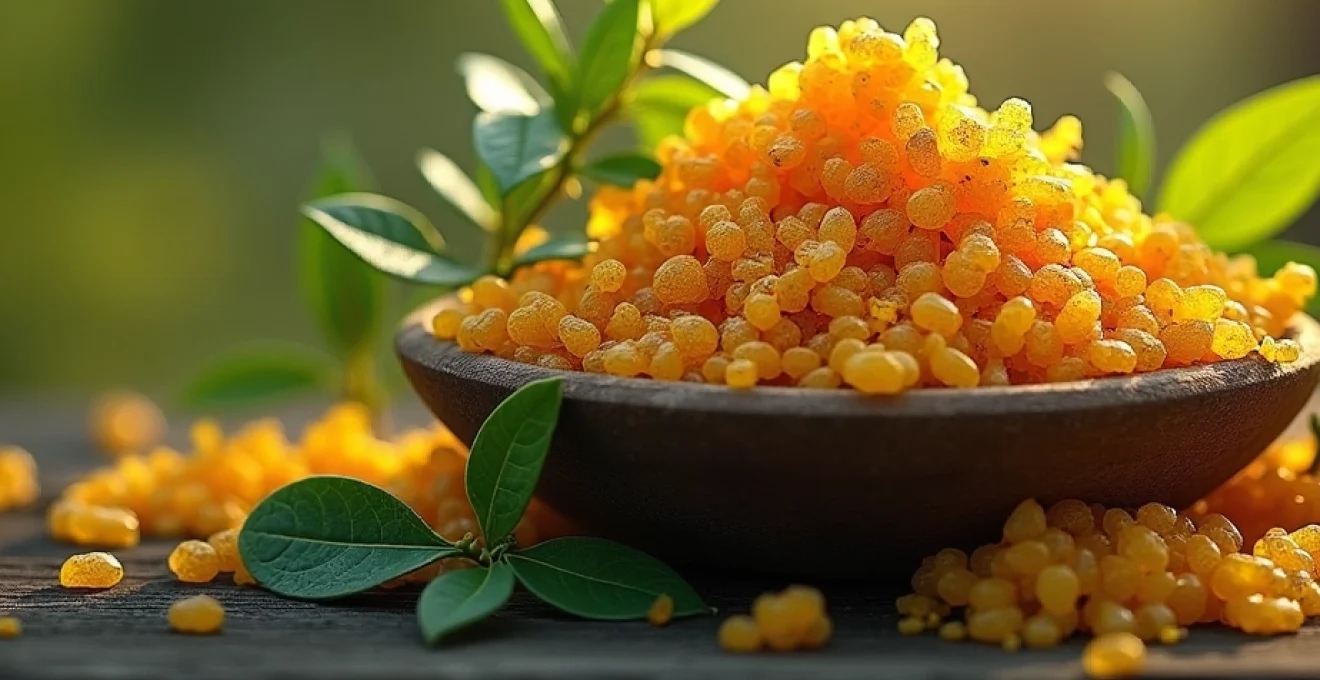
Throughout human history, plant resins have served as nature’s pharmacy, offering potent therapeutic compounds that continue to captivate modern researchers and traditional healers alike. These concentrated botanical extracts, formed when trees and shrubs respond to injury or environmental stress, contain complex mixtures of volatile oils, phenolic compounds, and bioactive molecules that demonstrate remarkable healing properties. From the aromatic frankincense of Somalia to the antimicrobial mastic of Greece, resin-based medicines represent one of humanity’s oldest forms of natural therapy, predating written history by millennia.
The renaissance of interest in plant-based resin therapies reflects both growing dissatisfaction with synthetic pharmaceuticals and mounting scientific evidence supporting traditional applications. Contemporary phytochemical analysis reveals that many resin compounds possess sophisticated molecular structures that interact with human physiology in ways that synthetic alternatives struggle to replicate. This convergence of ancient wisdom and modern science has sparked renewed investigation into therapeutic resins that have sustained indigenous communities for generations, offering promising alternatives for addressing contemporary health challenges.
Taxonomic classification and phytochemical profiles of therapeutic plant resins
Understanding the botanical origins and chemical compositions of therapeutic resins requires careful examination of plant taxonomy and sophisticated analytical techniques. The diversity of resin-producing species spans multiple plant families, each contributing unique phytochemical profiles that determine their therapeutic applications. These natural polymers typically consist of complex mixtures of terpenes, phenolic compounds, and volatile oils that work synergistically to produce their observed biological effects.
Boswellia serrata and boswellic acid compounds in ayurvedic medicine
Boswellia serrata , commonly known as Indian frankincense, produces a resin rich in boswellic acids that have been central to Ayurvedic medicine for over 3,000 years. The primary bioactive compounds include α-boswellic acid, β-boswellic acid, and their acetylated derivatives, with 11-keto-β-boswellic acid (KBA) demonstrating the most potent anti-inflammatory activity. Recent chromatographic analysis identifies over 200 distinct compounds within Boswellia serrata resin, including triterpenes, essential oils, and gum constituents that contribute to its therapeutic efficacy.
The concentration of boswellic acids varies significantly based on harvesting methods, seasonal timing, and post-processing techniques. Premium-grade frankincense typically contains 30-40% boswellic acids by weight, whilst lower-quality preparations may contain as little as 10-15%. This variability underscores the importance of standardisation in therapeutic applications, as clinical studies consistently demonstrate dose-dependent responses to boswellic acid concentrations.
Commiphora myrrha terpenoid extraction methods and bioactive components
The genus Commiphora encompasses over 190 species, with Commiphora myrrha serving as the primary source of therapeutic myrrh resin. This complex oleoresin contains approximately 25-40% volatile oils, 25-40% resin, and 30-60% gum, creating a unique matrix of bioactive compounds. The volatile fraction is dominated by sesquiterpenes, particularly furanoeudesma-1,3-diene and lindestrene, whilst the resin component contains furanoid compounds and commiphoric acids.
Modern extraction protocols utilise both traditional steam distillation and contemporary supercritical fluid extraction to isolate specific therapeutic fractions. Steam distillation typically yields 3-8% essential oil containing predominantly volatile sesquiterpenes, whilst alcohol extraction captures the broader spectrum of phenolic compounds and resinous acids. The antimicrobial properties of myrrh correlate directly with the concentration of furanoeudesma-1,3-diene, which demonstrates broad-spectrum activity against both gram-positive and gram-negative bacteria.
Pistacia lentiscus mastic resin monoterpene analysis and antimicrobial properties
Mastic resin from Pistacia lentiscus var. Chia represents one of the most chemically complex plant exudates, containing over 70 identified compounds including monoterpenes, sesquiterpenes, and triterpenes. The dominant monoterpenes include α-pinene (60-80%), myrcene (8-15%), and limonene (5-10%), whilst the triterpene fraction contains oleanolic acid, masticadienonic acid, and isomasticadienonic acid derivatives.
The unique antimicrobial profile of mastic resin stems from its high concentration of α-pinene and related monoterpenes, which demonstrate selective activity against Helicobacter pylori bacteria at concentrations as low as 125 μg/mL. This specificity makes mastic particularly valuable for treating gastric ulcers and digestive disorders, as it targets pathogenic bacteria whilst preserving beneficial intestinal flora. Clinical trials have confirmed that standardised mastic preparations containing 80% α-pinene achieve superior therapeutic outcomes compared to crude resin extracts.
Copaifera officinalis balsam chemical constituents and anti-inflammatory mechanisms
Copaiba balsam from Copaifera officinalis and related species contains one of nature’s highest concentrations of β-caryophyllene, often comprising 40-70% of the total volatile fraction. This sesquiterpene acts as a selective agonist for cannabinoid receptor 2 (CB2), producing anti-inflammatory effects without the psychoactive properties associated with other cannabinoid compounds. Additional bioactive components include α-humulene, germacrene D, and copaene, which contribute to the balsam’s broad therapeutic profile.
The anti-inflammatory mechanisms of copaiba balsam involve multiple pathways, including inhibition of nuclear factor-kappa B (NF-κB) signalling and reduction of pro-inflammatory cytokine production. Research demonstrates that β-caryophyllene concentrations above 50% produce optimal anti-inflammatory responses, making standardisation crucial for therapeutic applications. The balsam’s unique ability to modulate the endocannabinoid system without psychoactive effects positions it as a promising alternative to conventional anti-inflammatory medications.
Traditional extraction techniques and modern phytochemical processing
The transformation of raw plant resins into therapeutic preparations requires sophisticated understanding of both traditional wisdom and contemporary extraction science. Indigenous communities have developed time-tested methods for harvesting, processing, and preserving resin-based medicines that modern research validates as optimal for maintaining bioactivity. These traditional approaches often surpass industrial techniques in preserving delicate compounds that contribute to therapeutic efficacy.
Steam distillation protocols for volatile resin components
Steam distillation remains the gold standard for extracting volatile components from therapeutic resins, utilising precise temperature and pressure controls to preserve heat-sensitive compounds. The optimal distillation parameters vary significantly between resin types: frankincense requires temperatures between 100-110°C for 4-6 hours, whilst myrrh achieves maximum yield at 95-105°C for 6-8 hours. These temperature differences reflect the varying volatility of key bioactive compounds and their susceptibility to thermal degradation.
Modern steam distillation apparatus incorporates several innovations that improve both yield and quality of extracted compounds. Fractionating columns allow for selective capture of different boiling point ranges, whilst automated temperature controls prevent overheating that can destroy therapeutic molecules. The resulting essential oils typically contain 80-95% of the parent resin’s volatile components, though the concentration of specific bioactive compounds may vary based on distillation parameters and resin quality.
Supercritical CO2 extraction methods for Heat-Sensitive compounds
Supercritical carbon dioxide extraction represents the most advanced method for isolating heat-sensitive compounds from therapeutic resins whilst maintaining their biological activity. This technique operates at relatively low temperatures (35-40°C) using pressurised CO2 that exhibits properties of both liquid and gas phases, enabling selective extraction of specific molecular weight ranges. The resulting extracts are free from organic solvent residues and retain the full spectrum of thermolabile compounds that traditional extraction methods often destroy.
The selectivity of supercritical CO2 extraction can be fine-tuned by adjusting pressure and temperature parameters to target specific compound classes. For boswellic acid extraction from frankincense, optimal conditions involve 300-400 bar pressure at 40°C for 3-4 hours, yielding concentrates containing 85-95% boswellic acids. This level of purity significantly exceeds that achievable through conventional solvent extraction, making supercritical CO2 the preferred method for producing standardised therapeutic preparations.
Solvent-based purification techniques for oleoresin fractionation
Solvent extraction techniques enable comprehensive isolation of both polar and non-polar compounds from complex oleoresin matrices, though careful selection of extraction solvents is crucial for maintaining therapeutic activity. Ethanol extraction captures the broadest spectrum of bioactive compounds whilst remaining safe for human consumption, typically yielding 15-25% extractable material from quality resins. Hexane extraction selectively targets lipophilic terpenes and essential oils, whilst water extraction isolates water-soluble gums and mucilages.
Sequential extraction protocols utilise multiple solvents of increasing polarity to achieve comprehensive fractionation of resin components. This approach begins with petroleum ether to extract non-polar terpenes, followed by chloroform for moderately polar compounds, and concluding with methanol or ethanol for polar phenolics and acids. Each fraction demonstrates distinct therapeutic properties, enabling development of targeted preparations for specific clinical applications.
Cold-press mechanical extraction from hardened resin exudates
Mechanical extraction methods preserve the natural ratios of bioactive compounds found in fresh resins, avoiding the chemical alterations that can occur during thermal or solvent-based processing. Cold-pressing techniques apply controlled pressure to softened resins at temperatures below 40°C, yielding oils that retain their original phytochemical profiles. This approach proves particularly valuable for citrus-derived resins and other volatile-rich exudates that lose potency through conventional extraction methods.
The efficiency of mechanical extraction depends heavily on resin preparation techniques, including optimal moisture content and particle size reduction. Most therapeutic resins require initial grinding to 20-40 mesh size followed by brief warming to 35-40°C to achieve the ideal consistency for pressing. Modern hydraulic presses can achieve pressures up to 6,000 PSI whilst maintaining temperature controls that preserve heat-sensitive compounds, producing yields of 60-80% compared to total extractable material.
Regional botanical traditions and indigenous resin applications
The global diversity of resin-producing plants has given rise to distinct regional traditions that reflect local botanical knowledge, cultural practices, and therapeutic needs. These indigenous applications represent centuries of empirical experimentation that modern science is only beginning to understand and validate. Each regional tradition contributes unique insights into optimal harvesting techniques, processing methods, and therapeutic applications that inform contemporary resin therapy development.
Amazonian copaiba oil therapeutic protocols in brazilian folk medicine
Brazilian indigenous communities have utilised copaiba oil for wound healing, inflammatory conditions, and respiratory ailments for over 500 years, developing sophisticated protocols that maximise therapeutic efficacy whilst minimising adverse effects. Traditional applications involve direct topical application for skin conditions, inhalation for respiratory issues, and oral administration for internal inflammation. The Kayapó people distinguish between different copaiba species based on resin colour, viscosity, and aromatic profiles, selecting specific varieties for particular therapeutic applications.
Contemporary research validates many traditional Brazilian applications, particularly the use of copaiba oil for inflammatory skin conditions and respiratory ailments. Clinical studies demonstrate that topical application of standardised copaiba oil reduces inflammatory markers by 40-60% compared to placebo treatments, supporting its traditional use for wound healing and dermatological conditions. The high β-caryophyllene content in Brazilian copaiba varieties contributes to their superior anti-inflammatory activity compared to resins from other geographical regions.
Somali frankincense harvesting techniques and traditional healing practices
The Somali frankincense tradition encompasses sophisticated harvesting techniques that have been refined over millennia to produce the world’s finest Boswellia resins. Traditional harvesters, known as frankincense tappers, make precise incisions in tree bark during optimal seasonal conditions, typically between October and February when resin flow is most abundant. The timing and technique of these incisions significantly influence both resin quantity and quality, with experienced tappers able to predict resin grades based on tree appearance and environmental conditions.
Somali healing traditions recognise multiple grades of frankincense based on colour, transparency, and aromatic intensity, with the highest grades reserved for serious medical conditions and spiritual ceremonies. The most prized variety, known as “hojari,” exhibits a pale yellow to white colour with exceptional clarity and produces intense aromatic smoke when burned. Traditional preparation methods involve grinding selected resin tears to specific particle sizes, mixing with other botanical ingredients, and preparing according to carefully preserved formulations that vary based on intended therapeutic applications.
Greek mastic cultivation methods on chios island
The cultivation of mastic on the Greek island of Chios represents one of the world’s most geographically specific agricultural traditions, as authentic mastic can only be produced from Pistacia lentiscus trees growing in the southern villages of Chios. The unique microclimate, soil composition, and cultivation techniques combine to produce mastic resin with unmatched therapeutic properties that cannot be replicated elsewhere. Traditional cultivation involves carefully pruning mastic trees to encourage resin production whilst maintaining tree health over their 50-70 year productive lifespan.
The harvesting process follows ancient protocols that begin with cleaning the ground around each tree and making small incisions in the bark during summer months. The resin tears that form are collected multiple times throughout the season, with the clearest, most transparent pieces commanding premium prices for therapeutic applications.
“The mastic cultivation traditions of Chios represent an irreplaceable repository of agricultural knowledge that combines optimal tree management with superior resin quality.”
Local cooperatives maintain strict quality standards that ensure therapeutic-grade mastic meets the exacting requirements of both traditional healers and modern pharmaceutical applications.
Ethiopian myrrh collection rituals and wound treatment applications
Ethiopian myrrh collection traditions incorporate both practical harvesting techniques and spiritual rituals that reflect the deep cultural significance of this therapeutic resin. Traditional collectors, predominantly from the Afar and Somali ethnic groups, possess intimate knowledge of Commiphora species distribution and optimal collection timing that maximises both resin quality and tree sustainability. The collection process involves careful incision of tree bark during dry seasons when resin flow is concentrated and weather conditions favour natural drying.
Traditional Ethiopian wound treatment protocols utilise myrrh in various preparations ranging from simple resin powder applied directly to wounds, to complex formulations combining myrrh with other botanical ingredients. The antimicrobial and astringent properties of myrrh make it particularly valuable for treating infected wounds, burns, and chronic ulcers in regions where modern medical facilities are limited. Research confirms that Ethiopian myrrh varieties contain higher concentrations of furanoid compounds compared to myrrh from other regions, contributing to their superior antimicrobial activity and explaining their preferential use in traditional wound care applications.
Pharmacological mechanisms and bioavailability studies
The therapeutic efficacy of plant-based resins depends critically on understanding their complex pharmacological mechanisms and optimising bioavailability through appropriate formulation strategies. Modern pharmacological research reveals that resin compounds often work through multiple pathways simultaneously, creating synergistic effects that exceed the activity of isolated individual components. These polypharmacological mechanisms explain why traditional whole-resin preparations frequently demonstrate superior therapeutic outcomes compared to purified single compounds.
Bioavailability studies indicate that many resin compounds face significant absorption challenges when administered orally, as their lipophilic nature and large molecular size can limit intestinal uptake. Boswellic acids, for example, demonstrate poor water solubility and extensive first-pass metabolism that reduces their systemic bioavailability to less than 5% when taken orally without enhancement. Modern formulation techniques address these challenges through various approaches including liposomal encapsulation, cyclodextrin complexation, and co-administration with bioavailability enhancers such as piperine or phospholipids.
The pharmacokinetic profiles of resin compounds reveal complex distribution patterns that influence therapeutic targeting and dosing strategies. β-Caryophyllene from copaiba balsam demonstrates rapid absorption and extensive tissue distribution, with peak plasma concentrations occurring within 30-60 minutes of oral administration and significant accumulation in adipose
tissue. This extensive distribution pattern enables sustained therapeutic effects but also requires careful consideration of dosing intervals and potential drug interactions in clinical applications.Research into the anti-inflammatory mechanisms of resin compounds reveals sophisticated cellular targets that distinguish them from conventional pharmaceutical agents. Boswellic acids specifically inhibit 5-lipoxygenase enzyme activity, blocking the formation of pro-inflammatory leukotrienes whilst preserving beneficial prostaglandin pathways. This selective inhibition produces anti-inflammatory effects without the gastrointestinal complications associated with non-steroidal anti-inflammatory drugs. Additionally, boswellic acids demonstrate direct effects on nuclear factor-kappa B signalling pathways, reducing the transcription of inflammatory mediators at the genetic level.The immunomodulatory properties of therapeutic resins extend beyond simple anti-inflammatory activity to encompass complex interactions with both innate and adaptive immune responses. Myrrh compounds demonstrate biphasic immune effects, initially stimulating macrophage activity to clear pathogens whilst subsequently downregulating excessive inflammatory responses to prevent tissue damage. This sophisticated immune regulation explains the traditional use of myrrh for treating both infectious conditions and chronic inflammatory disorders.
Clinical research methodologies and therapeutic efficacy trials
Contemporary clinical research into plant-based resin therapies requires specialised methodological approaches that address the unique challenges of studying complex natural products. Traditional randomised controlled trial designs often prove inadequate for evaluating multi-component resin preparations, as standard pharmaceutical research paradigms assume single-compound mechanisms that do not apply to polypharmacological natural products. Modern clinical trial designs increasingly incorporate systems-based approaches that evaluate multiple biomarkers simultaneously to capture the full spectrum of therapeutic effects.The standardisation challenges inherent in resin-based clinical trials necessitate sophisticated analytical protocols that ensure batch-to-batch consistency whilst preserving therapeutic activity. High-performance liquid chromatography coupled with mass spectrometry has emerged as the gold standard for quantifying bioactive compounds in clinical trial materials, enabling precise dose-response relationships to be established. However, the presence of numerous unidentified minor compounds in therapeutic resins complicates standardisation efforts, as these components may contribute significantly to overall therapeutic efficacy through synergistic mechanisms.Patient-reported outcome measures play a crucial role in resin therapy clinical trials, as many traditional applications target subjective symptoms such as pain, digestive comfort, and general wellbeing that resist objective quantification. The development of validated assessment tools specific to resin therapy applications requires careful consideration of both Western medical frameworks and traditional healing concepts to capture meaningful therapeutic endpoints. Cultural factors significantly influence patient responses to natural therapies, necessitating culturally appropriate outcome measures that reflect both physiological changes and patient satisfaction.Safety assessment protocols for resin-based therapies must account for the complex chemical compositions and potential for individual variations in response. Unlike synthetic pharmaceuticals with predictable pharmacological profiles, natural resins contain hundreds of compounds that may interact unpredictably with conventional medications or exhibit cumulative effects with prolonged use. Comprehensive safety monitoring requires extended observation periods and sensitive analytical methods to detect subtle adverse effects that might emerge only with long-term exposure.The placebo effect represents both a challenge and an opportunity in resin therapy clinical trials, as the distinctive aromatic and tactile properties of natural resins make blinding difficult whilst potentially contributing to therapeutic outcomes through psychological mechanisms. Recent research suggests that the sensory experience of using traditional medicines may activate healing responses independent of pharmacological activity, complicating the interpretation of clinical trial results. Modern trial designs increasingly incorporate active placebos that mimic the sensory characteristics of therapeutic resins without containing active compounds.
Quality control standards and adulteration detection protocols
The growing commercial demand for therapeutic resins has unfortunately led to widespread adulteration and quality degradation that threatens both therapeutic efficacy and patient safety. Establishing robust quality control standards requires comprehensive understanding of authentic resin characteristics combined with sophisticated analytical techniques capable of detecting even subtle adulterations. The development of international quality standards for therapeutic resins represents a critical priority for ensuring reliable therapeutic outcomes and maintaining consumer confidence in natural medicine applications.Authentic resin identification relies primarily on comprehensive chemical fingerprinting using multiple analytical techniques that collectively establish botanical origin and processing history. Gas chromatography-mass spectrometry provides detailed volatile compound profiles that serve as characteristic fingerprints for specific resin types, whilst infrared spectroscopy reveals structural information about resinous polymers that resist other analytical approaches. The combination of these techniques creates multi-dimensional analytical profiles that are extremely difficult to counterfeit, providing reliable authentication even for processed resin products.Common adulteration practices include dilution with cheaper resins, addition of synthetic compounds to enhance specific properties, and substitution with entirely different botanical materials that superficially resemble authentic resins. Frankincense adulteration often involves mixing with cheaper Boswellia species or even non-Boswellia resins, whilst maintaining visual similarity that deceives casual inspection. Sophisticated adulterators may add synthetic boswellic acids to low-quality base materials, creating products that pass simple chemical tests whilst lacking the full spectrum of compounds found in authentic preparations.Microscopic examination provides valuable complementary information for resin authentication, as different botanical origins produce characteristic cellular debris patterns that resist chemical manipulation. Authentic frankincense contains specific pollen grains and plant tissue fragments that reflect its geographical and botanical origins, whilst synthetic or heavily processed products typically lack these diagnostic features. Polarised light microscopy reveals crystalline structures within resins that provide additional authentication parameters, as different species and processing methods produce characteristic optical properties.Stability testing protocols ensure that therapeutic resins maintain their bioactive compound concentrations throughout typical storage and distribution periods. Many resin compounds demonstrate significant sensitivity to light, heat, and oxygen exposure that can dramatically reduce therapeutic potency over time. Accelerated aging studies conducted under controlled temperature and humidity conditions predict real-world shelf life and identify optimal packaging materials that preserve compound integrity. These studies reveal that proper storage can extend therapeutic resin shelf life to 2-3 years, whilst inadequate protection may result in 50% potency loss within months.The establishment of reference standards represents a fundamental requirement for reliable quality control, yet the complexity and variability of natural resins make this challenging. International organisations are developing authenticated reference materials that represent the acceptable ranges of compound concentrations for therapeutic-grade resins, enabling manufacturers and regulators to establish consistent quality benchmarks. These reference standards must account for natural variations in resin composition whilst maintaining therapeutic relevance, requiring extensive collaboration between traditional knowledge holders, analytical chemists, and regulatory authorities.Modern analytical techniques continue to evolve toward more rapid and cost-effective quality assessment methods that can be implemented throughout the supply chain from harvesting to final products. Portable infrared spectrometers enable field testing of resin authenticity at collection points, whilst high-throughput chromatographic methods allow manufacturers to test every batch for compliance with quality standards. These technological advances make comprehensive quality control economically feasible even for smaller-scale traditional medicine producers, supporting the preservation of authentic therapeutic resin traditions whilst ensuring consumer safety and efficacy.