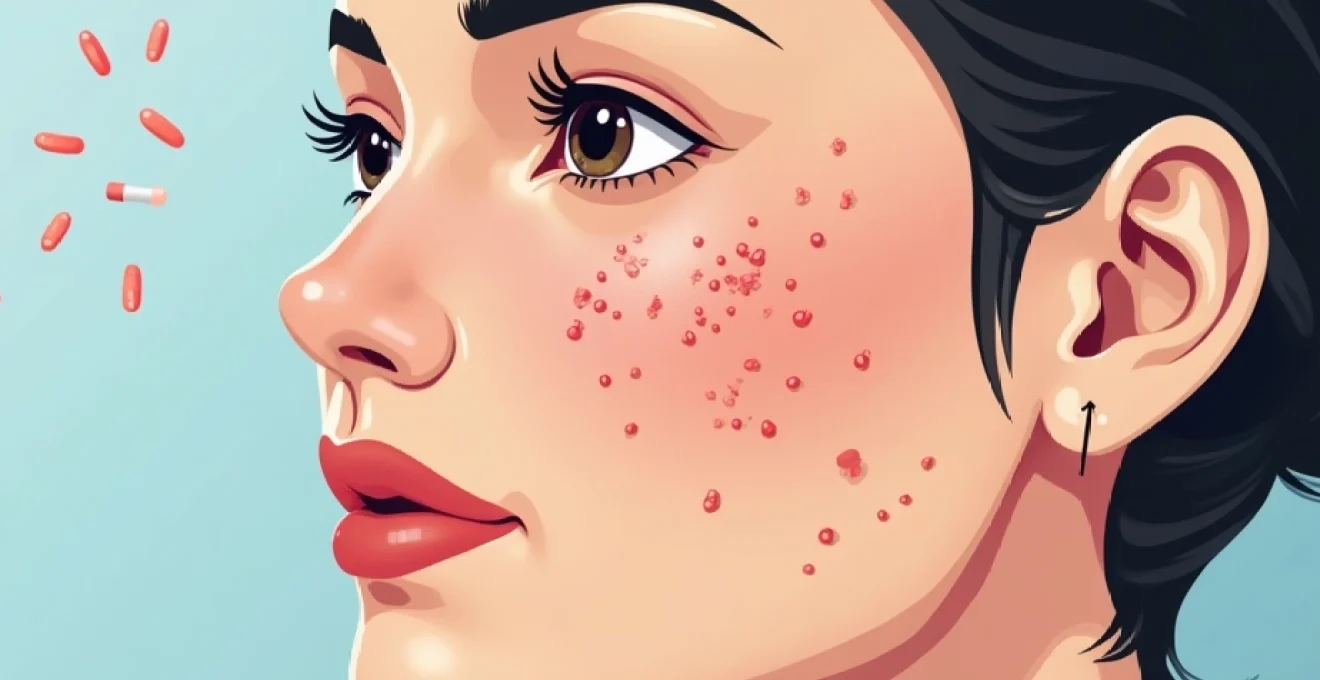
Skin conditions affect millions of people worldwide, ranging from minor irritations to chronic disorders that significantly impact quality of life. Your skin serves as the body’s largest organ and primary defence barrier, making it susceptible to various inflammatory, infectious, and genetic conditions. Understanding the most prevalent dermatological disorders and their evidence-based treatment protocols enables you to make informed decisions about your skincare and seek appropriate medical intervention when necessary.
The complexity of skin pathology requires a comprehensive approach that considers underlying mechanisms, clinical presentation, and therapeutic options. Modern dermatological practice emphasises personalised treatment strategies based on disease severity, patient characteristics, and response to previous interventions. Effective management often combines topical therapies, systemic medications, and lifestyle modifications to achieve optimal outcomes whilst minimising adverse effects.
Acne vulgaris: pathophysiology and Evidence-Based treatment protocols
Acne vulgaris represents the most common dermatological condition globally, affecting approximately 85% of individuals between ages 12 and 24. The pathophysiology involves four key factors: increased sebum production, follicular hyperkeratinisation, bacterial colonisation by Propionibacterium acnes , and inflammatory response. This multifactorial process creates the characteristic comedones, papules, pustules, and nodules that define different acne presentations.
The severity spectrum ranges from mild comedonal acne to severe cystic forms requiring aggressive intervention.
Understanding the underlying mechanisms enables targeted therapeutic approaches that address specific pathophysiological components.
Treatment selection depends on lesion morphology, distribution, psychological impact, and patient preferences regarding administration routes and potential side effects.
Comedonal acne management using topical retinoids and salicylic acid
Comedonal acne, characterised by blackheads and whiteheads, responds effectively to topical retinoids as first-line therapy. Tretinoin, adapalene, and tazarotene normalise follicular keratinisation and prevent microcomedone formation. Adapalene demonstrates superior tolerability profiles compared to tretinoin, making it suitable for sensitive skin types. Treatment initiation requires gradual introduction, beginning with alternate-day application to minimise irritation and improve adherence.
Salicylic acid serves as an effective adjunctive therapy for comedonal acne, providing keratolytic properties that facilitate comedone extraction. Concentrations between 0.5% and 2% offer optimal efficacy whilst maintaining tolerability. The beta-hydroxy acid penetrates oil-filled pores more effectively than alpha-hydroxy acids, making it particularly valuable for patients with oily skin phenotypes.
Inflammatory papulopustular acne treatment with benzoyl peroxide and antibiotics
Inflammatory acne lesions require antimicrobial therapy targeting P. acnes proliferation and associated inflammatory cascades. Benzoyl peroxide remains the cornerstone topical antimicrobial agent, available in concentrations from 2.5% to 10%. Lower concentrations often provide equivalent efficacy with reduced irritation, particularly when combined with moisturising formulations.
Topical antibiotics, including clindamycin and erythromycin, should always be combined with benzoyl peroxide to prevent bacterial resistance development. Combination formulations improve patient compliance whilst maintaining therapeutic synergy. Oral antibiotics, particularly doxycycline and minocycline, are reserved for moderate to severe inflammatory acne cases that fail to respond adequately to topical interventions alone.
Hormonal acne therapy: spironolactone and combined oral contraceptives
Hormonal acne typically affects adult women, presenting with inflammatory lesions along the jawline, chin, and lower cheeks. This distribution pattern reflects androgen receptor sensitivity in these anatomical regions. Spironolactone , an aldosterone receptor antagonist with anti-androgenic properties, effectively reduces sebum production and inflammatory lesion counts. Doses typically range from 50mg to 200mg daily, with therapeutic effects becoming apparent after 3-6 months of consistent use.
Combined oral contraceptives containing ethinyl estradiol with progestins possessing anti-androgenic activity offer additional therapeutic options for women with hormonal acne.
The selection of appropriate hormonal therapy requires careful consideration of patient medical history, contraindications, and reproductive plans.
Regular monitoring of potassium levels and blood pressure is essential for patients receiving spironolactone therapy.
Cystic acne intervention strategies including isotretinoin protocols
Severe cystic acne requires aggressive systemic intervention to prevent permanent scarring and psychological distress. Isotretinoin represents the most effective treatment for severe, treatment-resistant acne, addressing all pathophysiological factors simultaneously. The medication induces sebaceous gland atrophy, normalises follicular keratinisation, reduces bacterial colonisation, and provides anti-inflammatory effects.
Standard isotretinoin protocols involve cumulative doses of 120-150mg/kg over 4-6 months, though individualised dosing strategies may be employed based on patient tolerance and response. Careful monitoring protocols include monthly laboratory assessments, pregnancy prevention measures, and psychological evaluation. The medication’s teratogenic potential necessitates strict adherence to pregnancy prevention programmes for female patients of childbearing potential.
Atopic dermatitis: clinical phenotypes and targeted therapeutic approaches
Atopic dermatitis affects approximately 20% of children and 10% of adults worldwide, representing a complex inflammatory condition characterised by barrier dysfunction, immune dysregulation, and environmental interactions. The condition manifests through distinct age-related phenotypes, with infantile eczema typically affecting facial and extensor surfaces, whilst adult forms predominantly involve flexural areas and exhibit lichenification patterns.
The pathophysiology involves interplay between genetic predisposition, particularly filaggrin mutations, environmental triggers, and aberrant immune responses favouring Th2-mediated inflammation. Personalised treatment approaches consider disease severity, anatomical distribution, trigger identification, and patient lifestyle factors. Modern therapeutic strategies emphasise early intervention, proactive maintenance therapy, and targeted immunomodulation to achieve long-term disease control.
Topical corticosteroid selection and potency classification systems
Topical corticosteroids remain fundamental therapy for atopic dermatitis flares, classified into four potency categories based on vasoconstrictor assays. Mild potency steroids (Class I) such as hydrocortisone 1% are appropriate for facial application and mild disease, whilst moderate potency preparations (Classes II-III) effectively treat body lesions during acute flares. High-potency steroids (Class IV) are reserved for lichenified areas and treatment-resistant regions.
Steroid selection requires consideration of anatomical location, patient age, disease severity, and treatment duration.
The “fingertip unit” provides standardised dosing guidelines, with one unit covering approximately twice the adult hand area.
Vehicle selection influences penetration and patient acceptance, with ointments providing superior barrier repair properties compared to creams or lotions in most cases.
Calcineurin inhibitors: tacrolimus and pimecrolimus application guidelines
Topical calcineurin inhibitors offer steroid-sparing alternatives for atopic dermatitis management, particularly valuable for facial and intertriginous areas where corticosteroid use carries higher risks. Tacrolimus ointment demonstrates superior efficacy compared to pimecrolimus, making it suitable for moderate to severe disease, whilst pimecrolimus provides excellent safety profiles for mild to moderate presentations and paediatric applications.
These medications inhibit T-cell activation through calcineurin pathway blockade without causing skin atrophy or systemic absorption concerns. Initial application may produce transient burning sensations that typically resolve within one week of consistent use. Long-term safety data spanning over two decades support their use as maintenance therapy and proactive treatment strategies for high-risk anatomical areas.
Barrier repair therapy using Ceramide-Based emollients
Barrier dysfunction represents a fundamental pathophysiological component of atopic dermatitis, necessitating comprehensive moisturising strategies beyond acute anti-inflammatory interventions. Ceramide-containing formulations restore stratum corneum lipid composition and improve water retention capacity. These specialised moisturisers demonstrate superior efficacy compared to traditional emollients in reducing transepidermal water loss and improving barrier function parameters.
Application techniques significantly influence therapeutic outcomes, with optimal barrier repair requiring generous application immediately following bathing whilst the skin remains damp. This approach enhances moisture retention and facilitates ceramide incorporation into compromised barrier structures. Regular twice-daily application, even during remission periods, maintains skin integrity and reduces flare frequency and severity.
JAK inhibitor treatment: ruxolitinib cream for moderate eczema
The recent introduction of topical JAK inhibitors represents a significant advancement in atopic dermatitis therapy, offering targeted immunomodulation without systemic exposure concerns. Ruxolitinib cream provides rapid onset of action, typically demonstrating significant improvement within two weeks of initiation. The medication selectively inhibits JAK1 and JAK2 pathways, interrupting inflammatory cytokine signalling cascades characteristic of atopic dermatitis.
Clinical trials demonstrate efficacy comparable to moderate-potency topical corticosteroids with superior long-term safety profiles. The absence of skin atrophy risk makes ruxolitinib particularly valuable for facial application and long-term maintenance therapy. Treatment protocols typically involve twice-daily application until lesion resolution, followed by proactive maintenance strategies based on individual patient requirements and disease patterns.
Psoriasis vulgaris: immunopathogenesis and systemic treatment modalities
Psoriasis affects approximately 2-3% of the global population, representing a chronic inflammatory condition driven by aberrant immune system activation and accelerated keratinocyte proliferation. The pathophysiology involves complex interactions between genetic susceptibility, environmental triggers, and immune dysregulation favouring Th1, Th17, and Th22 inflammatory pathways. Characteristic plaques develop through shortened keratinocyte turnover cycles, creating the typical silvery scaling and erythematous presentations.
Disease severity assessment utilises validated scoring systems including the Psoriasis Area and Severity Index (PASI) and Body Surface Area (BSA) involvement. Treatment selection depends on disease extent, anatomical distribution, patient comorbidities, and psychosocial impact. Modern therapeutic approaches emphasise achievement of complete clearance rather than mere improvement, with treatment escalation protocols designed to optimise long-term outcomes whilst minimising adverse effects.
Topical vitamin D analogues: calcipotriol and calcitriol mechanisms
Vitamin D analogues represent first-line topical therapy for mild to moderate psoriasis, functioning through vitamin D receptor binding to normalise keratinocyte proliferation and differentiation. Calcipotriol demonstrates superior efficacy compared to calcitriol whilst maintaining acceptable tolerability profiles. The medication inhibits proliferation whilst promoting terminal differentiation of keratinocytes, addressing fundamental pathophysiological mechanisms underlying plaque formation.
Combination formulations containing calcipotriol with betamethasone dipropionate provide synergistic effects, reducing time to lesion clearance compared to monotherapy approaches.
Fixed combination products improve patient adherence whilst maintaining therapeutic efficacy equivalent to separate application regimens.
Treatment duration typically extends for several months, with maintenance therapy protocols preventing relapse in many patients.
Tnf-alpha inhibitors: adalimumab and etanercept efficacy profiles
Tumour necrosis factor-alpha inhibitors revolutionised moderate to severe psoriasis management, providing targeted intervention against key inflammatory cytokines driving disease pathogenesis. Adalimumab , a fully human monoclonal antibody, demonstrates superior efficacy compared to etanercept in head-to-head trials, achieving PASI 75 responses in approximately 80% of patients compared to 60% with etanercept therapy.
Administration protocols differ significantly between agents, with adalimumab requiring subcutaneous injections every other week following initial loading doses, whilst etanercept involves twice-weekly injections during induction followed by weekly maintenance dosing. Both medications require comprehensive screening for latent infections, particularly tuberculosis, given their immunosuppressive mechanisms. Long-term safety profiles demonstrate acceptable risk-benefit ratios for appropriately selected patients under careful monitoring protocols.
IL-17 pathway blockade using secukinumab and ixekizumab
Interleukin-17 pathway inhibitors represent the latest advancement in psoriasis therapy, targeting specific cytokines central to plaque psoriasis pathogenesis. Secukinumab and ixekizumab demonstrate superior efficacy compared to TNF-alpha inhibitors in achieving complete lesion clearance. Clinical trials consistently show PASI 90 response rates exceeding 80% with these agents, representing substantial improvement over previous therapeutic options.
The rapid onset of action distinguishes IL-17 inhibitors from other biologic therapies, with significant improvement often apparent within four weeks of treatment initiation. Injection site reactions represent the most common adverse effects, typically resolving without intervention. The reduced infection risk compared to TNF-alpha inhibitors makes these agents particularly attractive for patients with infection susceptibility or previous complications with other immunosuppressive therapies.
Phototherapy protocols: narrowband UVB and PUVA treatment parameters
Phototherapy remains a cornerstone treatment for moderate to severe psoriasis, offering effective systemic therapy without pharmacological side effects. Narrowband UVB (NB-UVB) provides superior efficacy and safety compared to broadband UVB, with treatment protocols typically involving three sessions weekly for 8-12 weeks. Initial dosing begins at 70% of minimal erythema dose, with incremental increases based on skin response and tolerance.
PUVA therapy combines psoralen photosensitisation with UVA exposure, reserved for patients failing NB-UVB therapy or requiring enhanced efficacy. Treatment protocols require oral psoralen administration 2 hours prior to UVA exposure, with strict eye protection continuing for 24 hours post-treatment. Long-term PUVA therapy carries increased skin cancer risks, necessitating careful patient selection and ongoing dermatological surveillance throughout treatment courses.
Seborrhoeic dermatitis: Malassezia-Related pathology and antifungal interventions
Seborrhoeic dermatitis affects sebaceous gland-rich areas, particularly the scalp, face, and chest, with prevalence rates reaching 5% in healthy adults and significantly higher frequencies in immunocompromised populations. The condition results from inflammatory responses to Malassezia species overgrowth in susceptible individuals, creating characteristic erythematous, scaly patches that may become secondarily infected through scratching behaviours.
Pathophysiological mechanisms involve complex interactions between sebaceous gland activity, fungal metabolites, and host immune responses. Malassezia lipase enzymes convert sebum triglycerides into irritating fatty acids, triggering inflammatory cascades and barrier dysfunction. Stress, hormonal fluctuations, and seasonal variations influence disease activity, with winter months typically associated with symptom exacerbation due to reduced humidity and indoor heating exposure.
Treatment approaches prioritise antifungal therapy combined with anti-inflammatory interventions. Topical antifungal agents including ketoconazole, ciclopirox, and selenium sulphide demonstrate excellent efficacy for both acute management and maintenance therapy.
Ketoconazole 2% cream or shampoo provides rapid symptom relief with minimal adverse effects when used according to recommended protocols.
Severe or treatment-resistant cases may require systemic antifungal therapy, though topical approaches achieve satisfactory outcomes in most patients. Gentle cleansing practices and avoidance of harsh detergents help maintain treatment benefits and reduce relapse frequency.
Contact dermatitis: allergen identification and patch testing methodologies
Contact dermatitis encompasses both allergic and irritant reactions, affecting millions of individuals through occupational, environmental, and cosmetic exposures. Allergic contact dermatitis involves delayed-type hypersensitivity reactions me
diated by T-cell recognition of hapten-protein complexes, whilst irritant contact dermatitis results from direct chemical damage to the skin barrier. Distinguishing between these mechanisms requires careful clinical evaluation, as treatment approaches differ significantly based on underlying pathophysiology.
Patch testing remains the gold standard for allergic contact dermatitis diagnosis, utilising standardised allergen panels applied to the back for 48-hour periods. The European baseline series includes common sensitisers such as nickel sulphate, fragrance mix, and preservatives that account for approximately 80% of allergic reactions. Reading patch tests requires expertise in interpreting inflammatory responses, with positive reactions graded according to established criteria ranging from weak positive (erythema and infiltration) to extreme positive (bullous reactions).
Proper patch testing technique involves allergen application under occlusion, followed by readings at 48 and 96 hours to capture both early and delayed reactions.
Occupational contact dermatitis represents a significant subset requiring specialised evaluation protocols. Healthcare workers frequently develop allergies to latex proteins, whilst construction workers commonly react to chromates in cement. Food handlers may develop contact sensitisation to various proteins and preservatives. Comprehensive exposure assessment involves detailed occupational history, material safety data sheet review, and sometimes workplace visits to identify potential sensitisers.
Treatment protocols emphasise allergen avoidance as the primary intervention, supported by topical corticosteroids during acute phases. Severe cases may require systemic corticosteroids, though prolonged use should be avoided due to potential adverse effects. Patient education regarding hidden sources of allergens proves crucial for long-term management success, as many substances appear in unexpected products or undergo chemical modifications that maintain sensitising potential.
Rosacea subtypes: vascular and inflammatory component management strategies
Rosacea affects approximately 16 million Americans, predominantly individuals with fair skin complexions between ages 30 and 60. The condition manifests through four distinct subtypes: erythematotelangiectatic, papulopustular, phymatous, and ocular rosacea. Each subtype requires tailored therapeutic approaches addressing specific pathophysiological components including vascular dysfunction, inflammatory processes, and sebaceous gland alterations.
The pathogenesis involves abnormal vascular reactivity, altered innate immune responses, and possible Demodex folliculorum proliferation. Trigger factors commonly include sun exposure, spicy foods, alcohol consumption, temperature extremes, and emotional stress. Understanding individual trigger patterns enables personalised management strategies that significantly reduce flare frequency and severity.
Erythematotelangiectatic rosacea presents with persistent central facial erythema and visible blood vessels, often accompanied by burning sensations and increased skin sensitivity. Topical metronidazole gel provides first-line therapy, reducing inflammatory components whilst improving barrier function. Concentrations of 0.75% and 1% demonstrate equivalent efficacy, with twice-daily application typically required for optimal outcomes.
Papulopustular rosacea resembles acne vulgaris but lacks comedones and typically affects older patients. Inflammatory papules and pustules concentrate in the central facial region, often accompanied by background erythema. Oral antibiotics, particularly doxycycline and minocycline, provide excellent anti-inflammatory effects at sub-antimicrobial doses. The 40mg modified-release doxycycline formulation specifically designed for rosacea treatment offers sustained anti-inflammatory activity without promoting bacterial resistance.
Phymatous rosacea involves tissue hyperplasia and sebaceous gland enlargement, most commonly affecting the nose (rhinophyma) though other facial areas may be involved. Early cases respond to oral isotretinoin therapy, whilst advanced presentations require surgical intervention including laser therapy, dermabrasion, or electrosurgery. Carbon dioxide laser resurfacing provides excellent cosmetic outcomes with minimal scarring when performed by experienced practitioners.
Ocular rosacea affects up to 58% of patients with facial rosacea, causing symptoms ranging from mild irritation to severe keratitis requiring ophthalmological intervention.
Management approaches incorporate both systemic and topical therapies tailored to individual subtype presentations and severity. Gentle skincare practices using mild, fragrance-free cleansers help maintain barrier function without triggering inflammatory responses. Broad-spectrum sunscreen application proves essential for all rosacea patients, as ultraviolet radiation represents a nearly universal trigger factor. Mineral sunscreens containing zinc oxide or titanium dioxide often provide superior tolerance compared to chemical formulations in sensitive rosacea-prone skin.
Advanced therapeutic options include topical ivermectin cream, which targets Demodex mites whilst providing anti-inflammatory effects. Clinical trials demonstrate superior efficacy compared to metronidazole in reducing inflammatory lesion counts and erythema severity. Laser and light-based therapies offer excellent outcomes for vascular components, with pulsed dye laser and intense pulsed light treatments providing significant reduction in erythema and telangiectasia.
Patient education regarding trigger avoidance, proper skincare routines, and realistic treatment expectations significantly improves therapeutic outcomes. Lifestyle modifications including stress management, dietary adjustments, and environmental trigger identification form integral components of comprehensive rosacea management programs. Regular dermatological follow-up ensures treatment optimisation and early intervention for disease progression or complications.