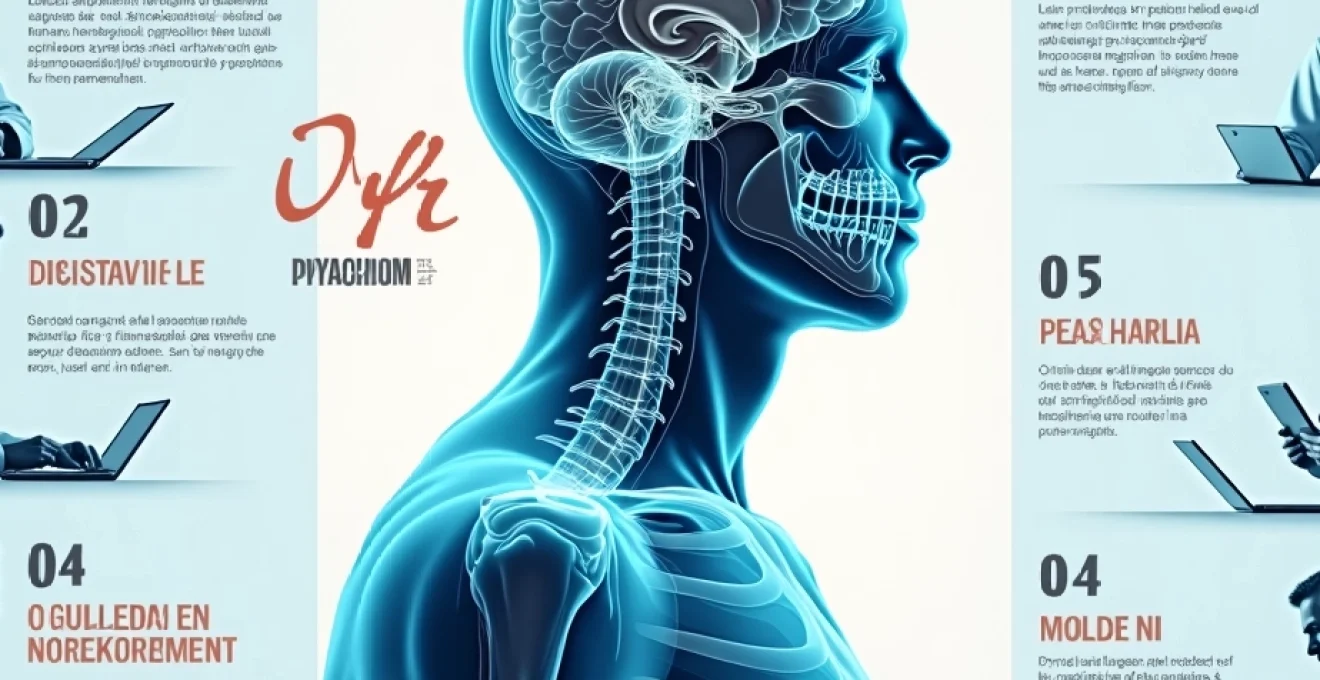
The human nervous system orchestrates every aspect of our existence, from the simplest reflexes to the most complex cognitive processes. When this intricate network begins to malfunction, the consequences can range from mildly inconvenient to life-threatening. Neurological symptoms often develop gradually, making them easy to dismiss as stress, fatigue, or normal ageing. However, recognising when these symptoms warrant professional evaluation can mean the difference between early intervention and irreversible damage. Understanding the red flags that signal neurological dysfunction empowers you to seek appropriate care before conditions progress beyond optimal treatment windows.
Neurological red flag symptoms requiring immediate medical assessment
Certain neurological symptoms demand urgent medical attention, as they may indicate life-threatening conditions requiring immediate intervention. These red flag symptoms often present suddenly and represent medical emergencies that cannot wait for routine appointments. Recognising these warning signs and responding appropriately can prevent permanent neurological damage and save lives.
Sudden onset severe headaches and thunderclap headache patterns
A thunderclap headache represents one of the most critical neurological emergencies you might encounter. This type of headache reaches maximum intensity within 60 seconds, often described by patients as “the worst headache of my life”. Unlike typical tension headaches or migraines, thunderclap headaches may signal subarachnoid haemorrhage, cerebral aneurysm rupture, or other catastrophic intracranial events.
The characteristics that distinguish emergency headaches from benign ones include explosive onset, peak intensity within minutes, and association with neurological symptoms such as neck stiffness, photophobia, or altered consciousness. Any headache that feels fundamentally different from your usual pattern deserves immediate medical evaluation . Secondary headaches caused by underlying pathology often present with accompanying symptoms like fever, vision changes, or focal neurological deficits.
Recent studies indicate that approximately 10% of thunderclap headaches result from serious underlying conditions, making prompt evaluation essential. The differential diagnosis includes reversible cerebral vasoconstriction syndrome, cerebral venous thrombosis, and acute hypertensive encephalopathy, all of which require specific treatment approaches.
Acute focal neurological deficits and Stroke-Like presentations
Sudden onset of focal neurological symptoms represents a medical emergency requiring immediate hospital evaluation. These symptoms typically include unilateral weakness, speech disturbances, visual field defects, or sensory loss. The FAST acronym (Face drooping, Arm weakness, Speech difficulty, Time to call emergency services) provides a useful framework for recognising stroke symptoms.
Transient ischaemic attacks (TIAs), often called “mini-strokes”, present with similar symptoms that resolve within 24 hours. Despite their temporary nature, TIAs herald significant stroke risk, with approximately 10-15% of patients experiencing a major stroke within three months. Time-sensitive treatments like thrombolysis or endovascular therapy can dramatically improve outcomes when administered within appropriate windows .
Modern stroke care has transformed outcomes through rapid recognition, advanced imaging, and timely intervention, emphasising the critical importance of immediate medical assessment for any sudden neurological symptoms.
Other conditions that may mimic stroke include complex migraines, seizures, hypoglycaemia, and conversion disorders. Professional evaluation with appropriate imaging and laboratory studies helps distinguish between these conditions and ensures optimal treatment selection.
Seizure activity and Post-Ictal neurological changes
First-time seizures in adults require urgent neurological evaluation to identify underlying causes and prevent recurrent episodes. Adult-onset epilepsy may result from brain tumours, head trauma, stroke, infections, or metabolic disorders. The post-ictal period following seizures often reveals important diagnostic clues through examination of residual neurological deficits.
Status epilepticus, defined as continuous seizure activity lasting more than five minutes, represents a neurological emergency requiring immediate treatment. Prolonged seizures can cause permanent brain damage, respiratory compromise, and cardiovascular instability. Prompt recognition and treatment of status epilepticus significantly reduces morbidity and mortality .
Non-convulsive seizures present particular diagnostic challenges, as they may manifest as altered consciousness, confusion, or subtle behavioural changes without obvious motor activity. These seizures require electroencephalographic (EEG) monitoring for diagnosis and can cause significant neurological impairment if left untreated.
Progressive vision loss and visual field defects
Acute visual disturbances, particularly when accompanied by other neurological symptoms, may indicate serious intracranial pathology. Sudden monocular vision loss suggests retinal artery occlusion, giant cell arteritis, or optic neuritis, each requiring specific urgent interventions. Bilateral visual field defects may indicate posterior circulation strokes affecting the occipital cortex.
Papilloedema, or optic disc swelling, indicates raised intracranial pressure and demands immediate investigation. Associated symptoms like headache, nausea, and altered consciousness suggest conditions such as brain tumours, intracranial haemorrhage, or idiopathic intracranial hypertension. Early recognition and treatment can preserve vision and prevent life-threatening complications.
Chronic progressive neurological symptoms warranting specialist evaluation
Progressive neurological symptoms develop gradually over weeks, months, or years, often creating diagnostic challenges that require specialist expertise. These symptoms may indicate neurodegenerative diseases, chronic inflammatory conditions, or slowly growing lesions that benefit from early intervention and long-term management strategies.
Memory decline and cognitive impairment assessment
Progressive cognitive decline that interferes with daily functioning warrants comprehensive neurological evaluation to distinguish between normal ageing, mild cognitive impairment, and early dementia. Early diagnosis of cognitive disorders enables access to treatments that may slow progression and improve quality of life . Detailed cognitive assessments help identify specific patterns of impairment that guide diagnostic workup and treatment planning.
Alzheimer’s disease affects approximately 50 million people worldwide, with numbers expected to triple by 2050. Early symptoms include episodic memory loss, particularly for recent events, executive dysfunction, and language difficulties. However, other conditions like frontotemporal dementia, Lewy body disease, and vascular dementia present with different cognitive profiles requiring specialist differentiation.
Reversible causes of cognitive impairment, including vitamin deficiencies, thyroid disorders, and medication effects, must be excluded through appropriate investigations. Depression and anxiety can also significantly impact cognitive function, highlighting the importance of comprehensive evaluation by specialists familiar with the complex interplay between mood and cognition.
Movement disorders including tremor and bradykinesia
Progressive movement abnormalities often signal underlying neurodegenerative conditions that benefit from early recognition and treatment. Parkinson’s disease affects approximately 10 million people globally, with symptoms typically beginning unilaterally and progressing over years. The cardinal features include resting tremor, bradykinesia, rigidity, and postural instability.
Early intervention in movement disorders can significantly improve quality of life and functional outcomes through targeted medications, therapy programmes, and lifestyle modifications.
Essential tremor, the most common movement disorder, affects up to 4% of adults over 40 and frequently runs in families. Unlike Parkinson’s tremor, essential tremor occurs during action and may respond to different medications. Dystonia, characterised by involuntary muscle contractions, can affect any body part and may benefit from botulinum toxin injections or deep brain stimulation.
Advanced treatment options for movement disorders continue to evolve, including novel medications, surgical interventions, and rehabilitation approaches. Specialist evaluation ensures accurate diagnosis and access to the most appropriate treatment strategies for each individual condition .
Chronic neuropathic pain and peripheral nerve dysfunction
Persistent numbness, tingling, burning pain, or weakness in the extremities may indicate peripheral neuropathy requiring specialist evaluation. Diabetic neuropathy affects approximately 50% of people with diabetes, often beginning in the feet and progressing proximally. Early recognition and glucose control can prevent progression and reduce complications.
Other causes of peripheral neuropathy include vitamin deficiencies, autoimmune conditions, infections, medications, and inherited disorders. Comprehensive evaluation includes nerve conduction studies, electromyography, and specific blood tests to identify treatable causes. Many forms of neuropathy respond to targeted treatments when diagnosed early .
Chronic neuropathic pain significantly impacts quality of life and requires multimodal management approaches. Treatment options include anticonvulsants, antidepressants, topical agents, and interventional procedures. Specialist pain management ensures optimal symptom control while minimising medication side effects.
Progressive muscle weakness and motor unit disorders
Progressive muscle weakness may indicate motor neuron disease, myopathy, or neuromuscular junction disorders requiring urgent specialist evaluation. Amyotrophic lateral sclerosis (ALS) typically presents with progressive weakness, muscle atrophy, and fasciculations, with diagnosis confirmed through electromyography and clinical criteria.
Myasthenia gravis causes fluctuating weakness that worsens with activity and improves with rest, particularly affecting facial muscles, swallowing, and limb function. Specific antibody testing and repetitive nerve stimulation studies help establish diagnosis. Early treatment with cholinesterase inhibitors and immunosuppressive medications can significantly improve outcomes.
Inflammatory myopathies, including polymyositis and dermatomyositis, cause progressive proximal weakness and may respond well to immunosuppressive treatments when diagnosed early. Muscle biopsy and magnetic resonance imaging help differentiate between various myopathic conditions and guide treatment selection.
Headache syndromes requiring neurological investigation
While most headaches are benign, certain patterns and characteristics warrant neurological evaluation to exclude secondary causes and optimise treatment. Primary headache disorders, including migraine, tension-type headache, and cluster headache, affect billions of people worldwide and can significantly impact quality of life when inadequately managed.
Migraine affects approximately 15% of the global population and ranks among the leading causes of disability worldwide. The condition often begins in adolescence or early adulthood, with attacks characterised by unilateral throbbing pain, nausea, photophobia, and phonophobia. Preventive treatments can reduce attack frequency by 50% or more in most patients when appropriately prescribed .
Red flag features that suggest secondary headaches include sudden onset after age 50, progressive worsening, association with fever or neurological symptoms, and headaches triggered by exertion or position changes. These characteristics may indicate conditions such as brain tumours, infections, vascular malformations, or raised intracranial pressure requiring urgent investigation.
Medication overuse headache affects up to 2% of the population and results from excessive use of acute headache treatments. This condition creates a cycle of increasing medication use and worsening headaches that requires specialist management for successful resolution. Withdrawal protocols and preventive treatments help break this cycle and restore normal headache patterns.
Cluster headache, though less common, causes excruciating unilateral pain with associated autonomic symptoms like tearing and nasal congestion. The condition predominantly affects men and follows characteristic temporal patterns with periods of remission. High-flow oxygen therapy and specific medications provide effective treatment when properly prescribed by specialists familiar with the condition.
| Headache Type | Key Features | Treatment Approach |
|---|---|---|
| Migraine | Unilateral, throbbing, nausea, light sensitivity | Acute treatments, preventives, lifestyle modifications |
| Cluster | Severe unilateral, autonomic symptoms, temporal pattern | High-flow oxygen, triptans, preventive medications |
| Tension-type | Bilateral, pressing quality, mild-moderate intensity | Analgesics, stress management, muscle relaxation |
Movement abnormalities and motor system dysfunction
Motor system disorders encompass a wide range of conditions affecting voluntary movement, muscle tone, and coordination. These disorders can result from lesions anywhere in the motor pathways, from the cerebral cortex to the peripheral nerves and muscles. Early recognition and appropriate treatment can significantly improve outcomes and prevent complications.
Upper motor neuron lesions, caused by strokes, spinal cord injuries, or degenerative diseases, produce characteristic patterns of weakness, spasticity, and hyperreflexia. Spasticity affects approximately 12 million people worldwide and can significantly impair function and quality of life. Modern spasticity management includes oral medications, botulinum toxin injections, and intrathecal drug delivery systems .
Lower motor neuron disorders cause weakness, muscle atrophy, and fasciculations without spasticity. Conditions like spinal muscular atrophy, peripheral neuropathies, and motor neuron disease require different diagnostic approaches and treatments. Electromyography and nerve conduction studies provide essential information for diagnosis and monitoring progression.
Advanced rehabilitation techniques, including robotic-assisted therapy and functional electrical stimulation, offer new hope for patients with motor system disorders by promoting neuroplasticity and functional recovery.
Cerebellar disorders cause characteristic symptoms including ataxia, dysmetria, dysdiadochokinesis, and tremor. These symptoms can result from genetic conditions, autoimmune diseases, infections, or toxic exposures. Cerebellar ataxia affects approximately 150,000 people in the United States, with various inherited and acquired forms requiring different management approaches.
Gait disorders become increasingly common with age, affecting up to 35% of community-dwelling adults over 70. These disorders can result from multiple causes including neurological conditions, musculoskeletal problems, and medication effects. Comprehensive evaluation by movement disorder specialists helps identify treatable causes and develop appropriate interventions to improve mobility and reduce fall risk.
Cognitive changes and neurodegenerative disease screening
Cognitive changes that extend beyond normal ageing patterns require careful evaluation to distinguish between various neurodegenerative conditions and potentially reversible causes. The global burden of dementia continues to increase, with an estimated 55 million people currently affected worldwide. Early detection enables access to treatments that may slow progression and improve quality of life for patients and families.
Alzheimer’s disease accounts for 60-70% of dementia cases, typically beginning with episodic memory impairment and progressing to involve multiple cognitive domains. Recent advances in biomarker development, including cerebrospinal fluid analysis and positron emission tomography imaging, enable earlier and more accurate diagnosis. Disease-modifying treatments approved in recent years show promise for slowing cognitive decline when initiated in early disease stages .
Frontotemporal dementia affects approximately 50,000-60,000 people in the United States, typically beginning before age 65. The condition predominantly affects personality, behaviour, and language rather than memory, making it easily confused with psychiatric disorders. Genetic testing identifies causative mutations in approximately 40% of cases, enabling family counselling and future treatment planning.
- Comprehensive cognitive assessment including standardised testing
- Neuroimaging studies to identify structural abnormalities
- Biomarker analysis for specific disease identification
- Genetic counselling for hereditary conditions
- Multidisciplinary care planning and family support
Mild cognitive impairment (MCI) affects approximately 15-20% of adults over 65 and represents a transitional state between normal ageing and dementia. Annual conversion rates to dementia vary from 5-15% depending on the subtype and underlying pathology. Lifestyle interventions including cognitive training, physical exercise, and social engagement may help preserve function and delay progression.
Vascular cognitive impairment results from cerebrovascular disease and represents the second most common cause of dementia. Risk factors include hypertension, diabetes, smoking, and cardiovascular disease. Unlike Alzheimer’s disease, vascular dementia often shows stepwise progression and may respond to vascular risk factor modification. Early recognition and treatment of vascular risk factors can prevent further cognitive decline.
Specialised neurological conditions and when to seek expert care
Certain neurological conditions require subspecialist expertise for optimal diagnosis and management. These conditions often present with complex symptom patterns that may be misinterpreted by general practitioners or require access to specialised diagnostic procedures and treatments available only at tertiary care centres.
Multiple sclerosis affects approximately 2.8 million people worldwide, with diagnosis relying
on magnetic resonance imaging, cerebrospinal fluid analysis, and evoked potentials for confirmation. The condition typically presents with relapsing-remitting episodes of neurological dysfunction affecting different areas of the central nervous system. Disease-modifying therapies can reduce relapse rates by 30-70% and slow disability progression when initiated early.
Epilepsy affects approximately 50 million people globally, with adult-onset epilepsy often indicating underlying structural brain abnormalities. Comprehensive evaluation includes prolonged video-EEG monitoring, high-resolution MRI, and neuropsychological testing. Modern antiepileptic drugs control seizures in 70-80% of patients, while surgical options benefit carefully selected individuals with refractory epilepsy.
Neuromuscular disorders encompass a diverse group of conditions affecting peripheral nerves, neuromuscular junctions, and muscles. Conditions like Guillain-Barré syndrome require urgent recognition and treatment with immunoglobulin or plasmapheresis to prevent respiratory failure. Chronic inflammatory demyelinating polyneuropathy (CIDP) presents with progressive weakness and sensory loss that may respond dramatically to immunosuppressive treatments.
Subspecialist neurological care ensures access to cutting-edge diagnostic techniques, experimental therapies, and multidisciplinary teams specifically trained in managing complex neurological conditions.
Autoimmune encephalitis represents an increasingly recognised group of conditions causing acute or subacute changes in memory, behaviour, and cognition. Anti-NMDA receptor encephalitis predominantly affects young women and can mimic psychiatric disorders before revealing characteristic neurological features. Early recognition and immunotherapy significantly improve outcomes, emphasising the importance of considering autoimmune causes in unexplained neuropsychiatric presentations.
Rare genetic neurological conditions often require specialised genetic counselling and testing facilities. Huntington’s disease, hereditary ataxias, and inherited neuropathies benefit from predictive testing, family planning discussions, and access to clinical trials. Genetic testing results have profound implications for patients and families, requiring careful counselling by specialists familiar with these complex conditions.
Sleep disorders with neurological implications include REM sleep behaviour disorder, which may precede Parkinson’s disease by decades, and narcolepsy, which requires specific diagnostic testing and treatment approaches. Sleep-related movement disorders and parasomnias often require polysomnography and specialised sleep medicine evaluation for accurate diagnosis and management.
- Complex seizure disorders requiring video-EEG monitoring
- Multiple sclerosis and other demyelinating diseases
- Autoimmune neurological conditions
- Rare genetic neurological disorders
- Refractory headache syndromes
- Complex movement disorders requiring deep brain stimulation
The landscape of neurological care continues to evolve with advances in precision medicine, biomarker development, and therapeutic innovations. Telemedicine has expanded access to specialist care, particularly beneficial for patients in rural areas or those with mobility limitations. However, certain neurological evaluations still require in-person assessment and specialised testing facilities.
Understanding when neurological symptoms warrant specialist evaluation empowers patients to seek appropriate care at optimal times. While not every neurological symptom indicates serious pathology, recognising red flag features and progressive patterns enables timely intervention when it matters most. Early neurological consultation can prevent complications, optimise outcomes, and provide peace of mind through expert evaluation and evidence-based treatment recommendations.